
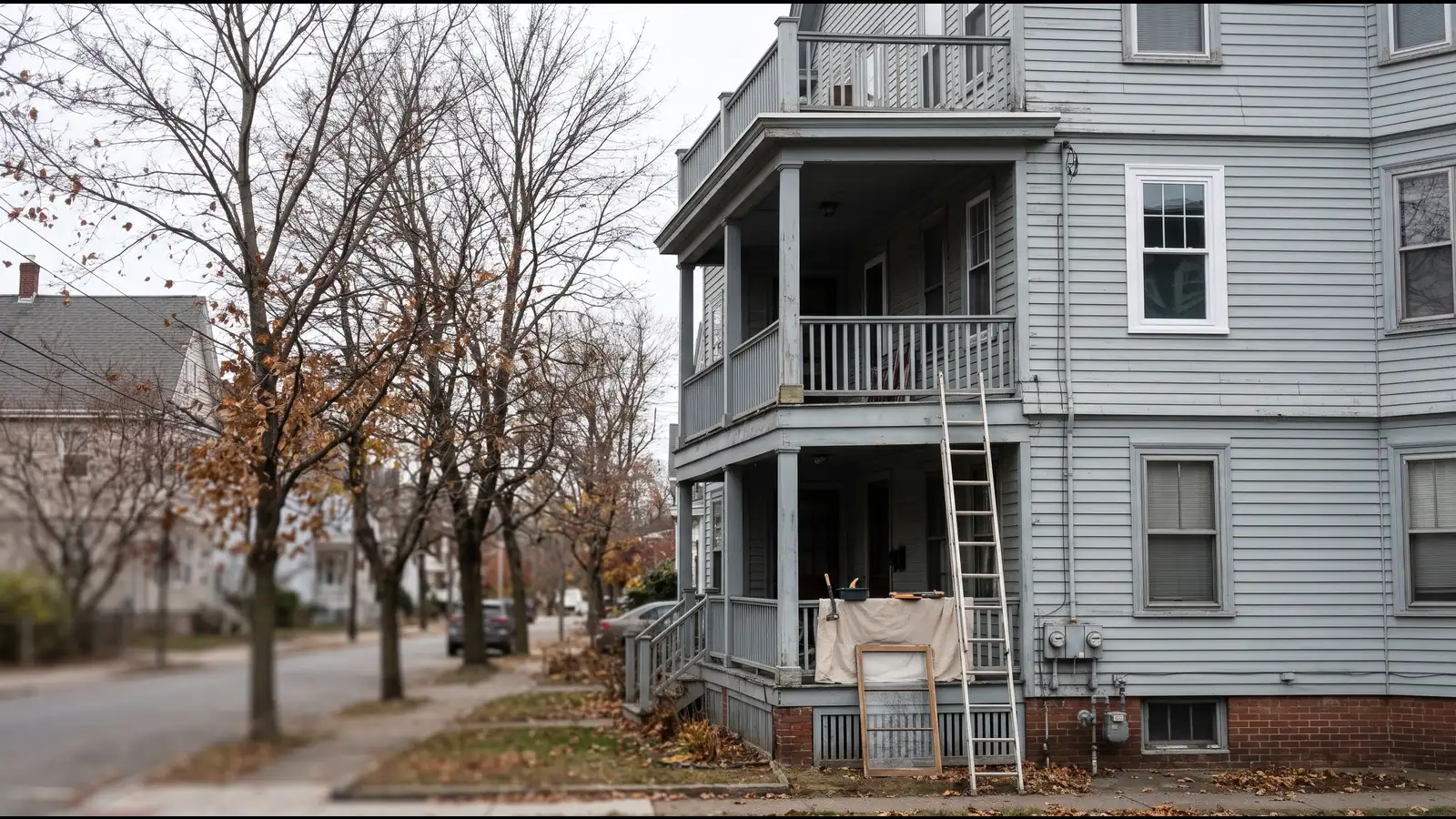
Window Sill and Frame Repair Types: Rot, Leaks and Capping
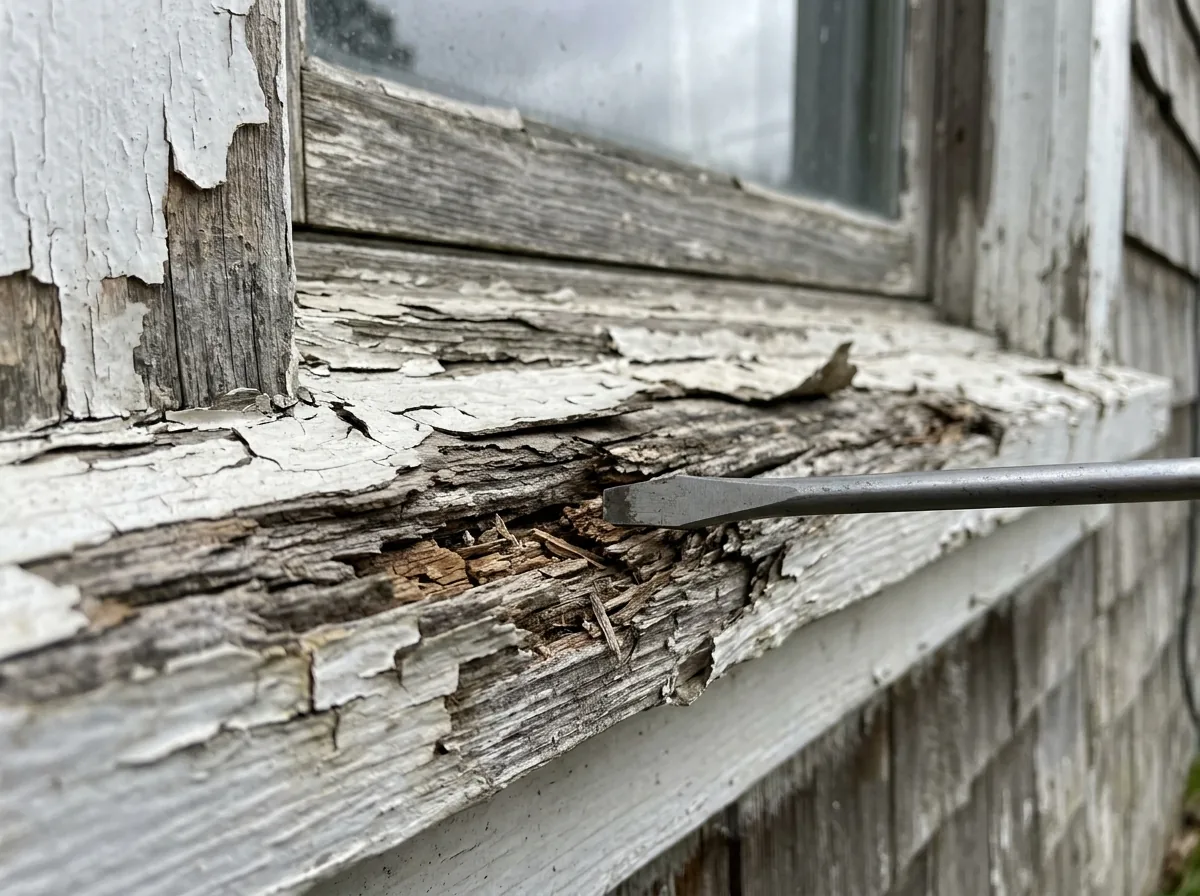
Rotted Wood Window Sills
Rain and condensation run down the glass and sash and collect at the sill. The National Park Service names the sill and the joints between the sill and the jambs as typical places where decay begins. It suggests checking that the sill slopes down and away from the house, and cutting a dripline along its underside so water runs off. National cost guides price new sills by length:
- 3-foot sill: about $250 to $300.
- 4-foot sill: about $300 to $400.
- 6-foot sill: about $500 to $600.
- 8-foot sill: about $600 to $800.
Surface weathering can be built back with epoxy consolidant and filler, the method used in historic window restoration. A sill that's soft through, cracked or rotting has to be replaced.
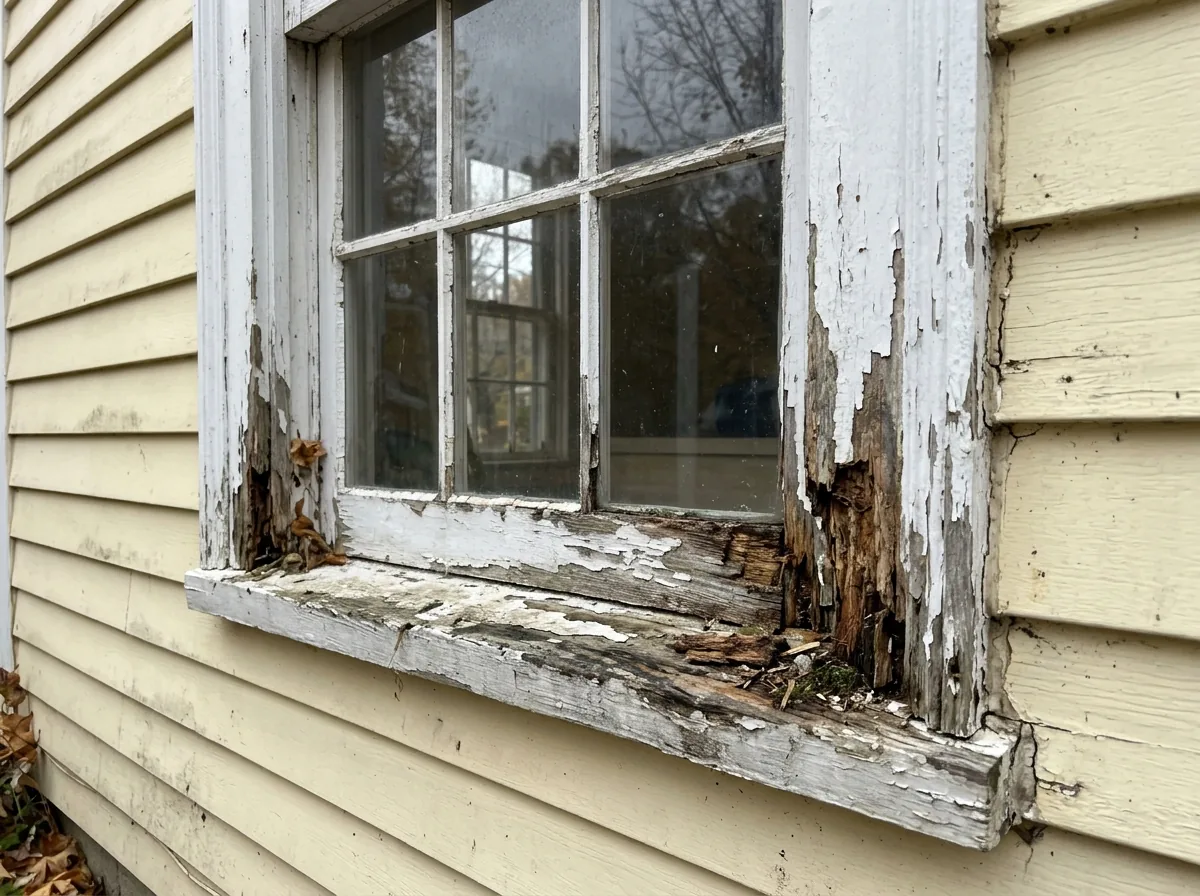
Frame, Jamb and Brickmold Rot
A window frame is the head at the top, the sill at the bottom and the jambs at the sides, with the casing outside. The Department of Energy's guide ranks the frame and casing next after the sill. It separates them from decorative trim, which can rot without letting water into the wall. National cost data puts a frame repair at $150 to $600 and a frame replacement at $200 to $600 for a standard window. In Massachusetts, the Windows, Doors and Siding (WS) construction supervisor license covers repairing and replacing damaged window or door framing less than 4 feet wide, so ask which license the contractor holds.
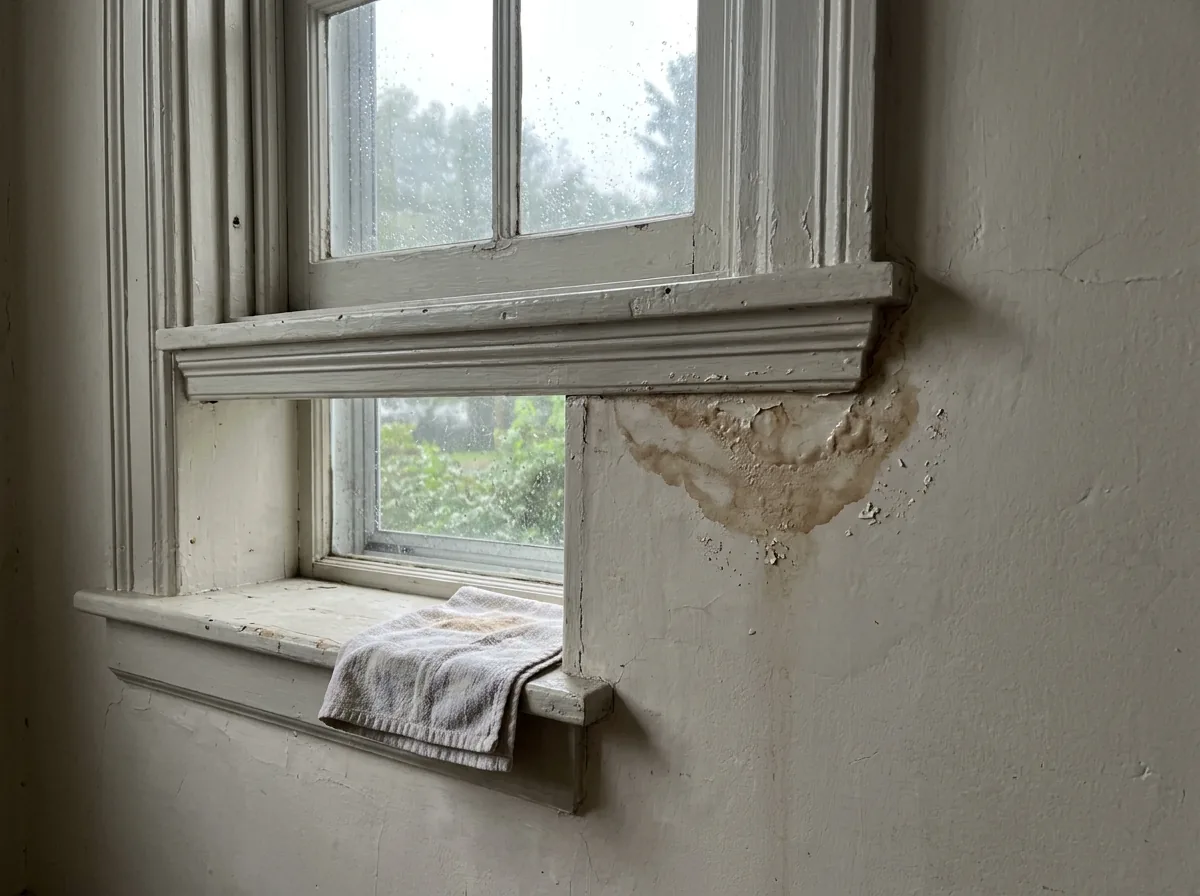
Leaks at the Head and Missing Flashing
The Department of Energy's guide lists the warning signs of a window leak:
- Inside: water stains, peeling paint or wallpaper, and stained trim or flooring below the window.
- At the window head: water there often means failed or missing head flashing.
- Hidden: leaks between the window and the rough opening often stay inside the wall.
Not every leak is the window's fault. The same guide warns that siding, roof and other problems can send water to the same spot, so the source has to be diagnosed first. A flashing repair runs about $270 to $570 in national cost data. If the wall is getting new insulation at the same time, fix the leak first, since a wet cavity full of insulation dries out more slowly.
Aluminum Trim Capping Over Old Wood
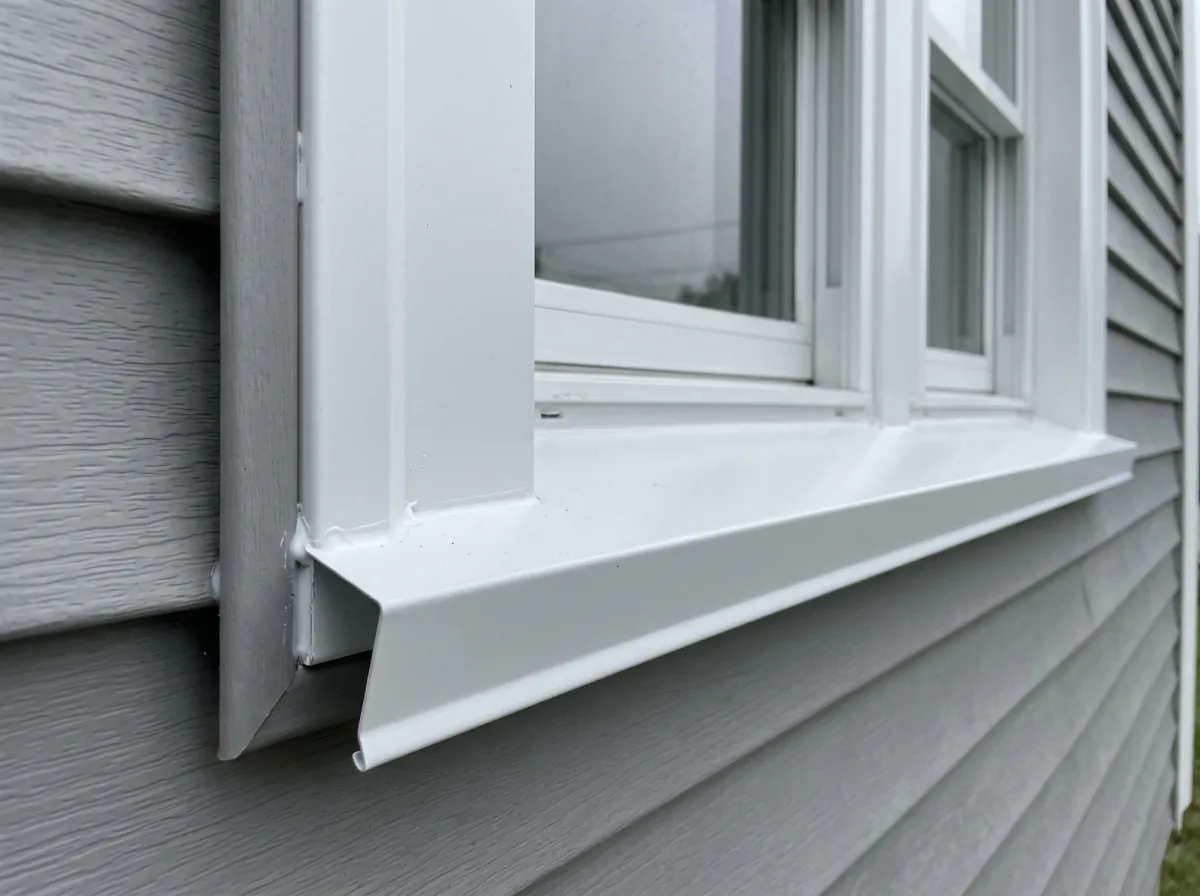
Capping is aluminum or vinyl coil bent on a brake and fitted over the exterior wood trim. Factory-painted aluminum is the common choice. It cuts out repainting. The downside is that metal and vinyl don't breathe: capping over wet or rotted wood traps the moisture and hides the rot. Good capping keeps the drip edge at the front of the sill so water falls clear of the wall, and leaves water a way out if a seam leaks. The finish isn't forever; the factory paint on some aluminum coil starts to chalk or fade in about five years.
Why Lowell homeowners call Lowell Window Replacement
- One independent window contractor gets your request
- Ask for the HIC number: MA contracts must show it
- Written contract on any job over $1,000
- The call and the referral are free
Sill and Frame Repair Cost: Repair, Rebuild or Replace the Window
Labor is most of the bill here: 80% to 90% on a sill replacement and 70% to 90% on frame work. So the window's height, access and the condition of the wood matter more than the material. Sill stock costs only $5 to $40 per linear foot for vinyl, aluminum, fiberglass or wood, and $20 to $80 for stone. Weigh the three levels of work against each other:
Repair a sill
about $150 to $350, when the damage is on the surface and the structure is sound.Replace the sill or frame
$250 to $800 per sill, or $200 to $600 per standard frame.Replace the whole window
$700 to $2,000 or more for a full-frame replacement when the frame can't be saved. A full-frame job removes the frame, sash, trim and sill.
Fix the sill and frame before a sash kit or an insert window goes into the opening. Both reuse the old frame, and the Department of Energy's guide treats the sill's condition as critical to every option short of full window replacement.
What to Ask Before Sill and Frame Work in Lowell
On Lowell's prewar houses, plenty of sills have taken more than 85 winters.
Probe test
Ask the contractor to probe the sill and lower jambs on every window being quoted, not only the visibly bad one.Lead-safe work
Pre-1978 homes need lead-safe work when painted wood is cut out.Written scope
Ask for a written scope that names the parts being replaced (sill, jamb, casing, brickmold) and whether capping goes back on afterward.Rot past the window
Damage around a window can spread to the siding, so ask what happens if the rot goes past the window.