
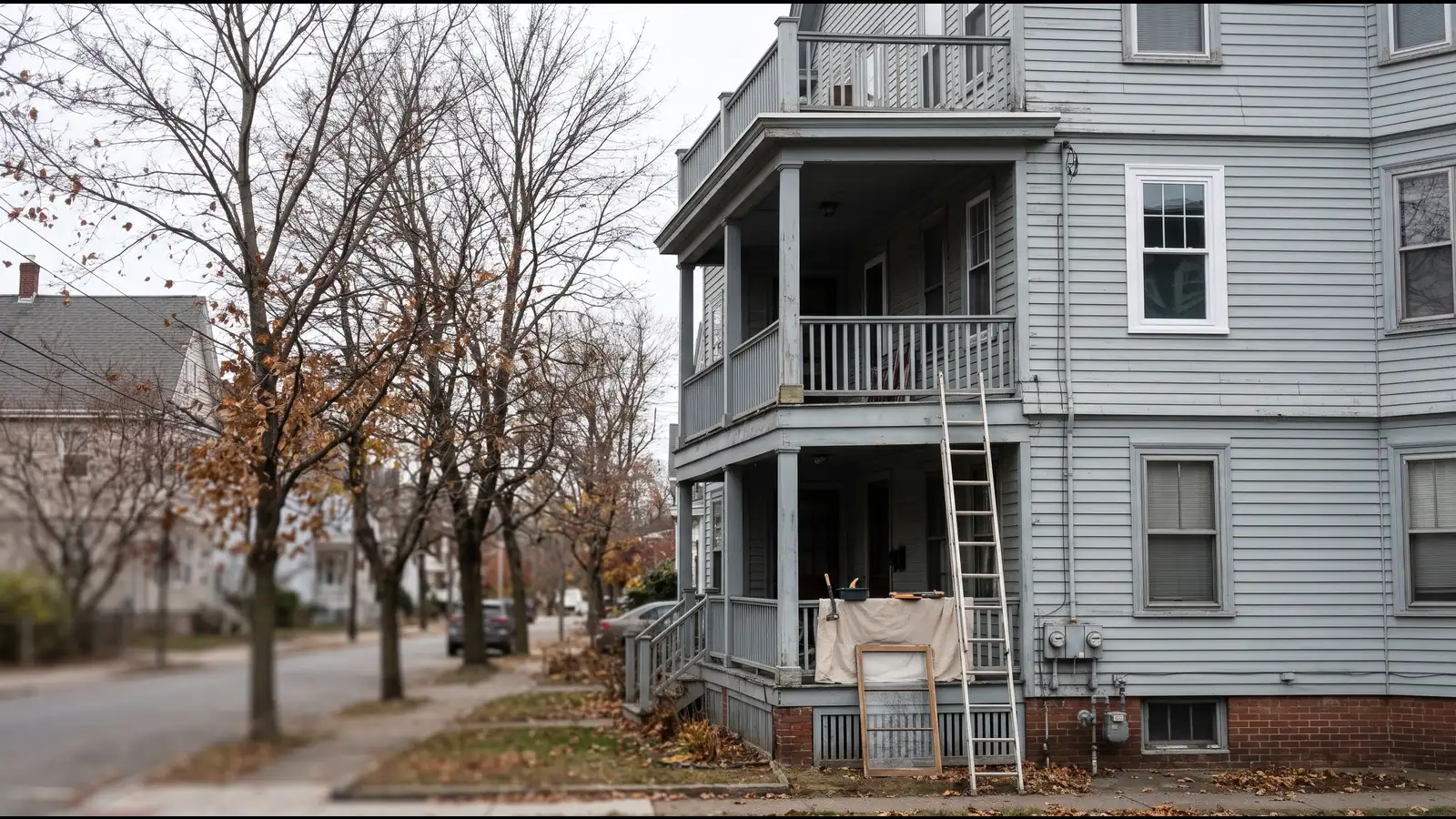
Window Glass Replacement Types: Foggy, Broken, Single-Pane and Safety Glass
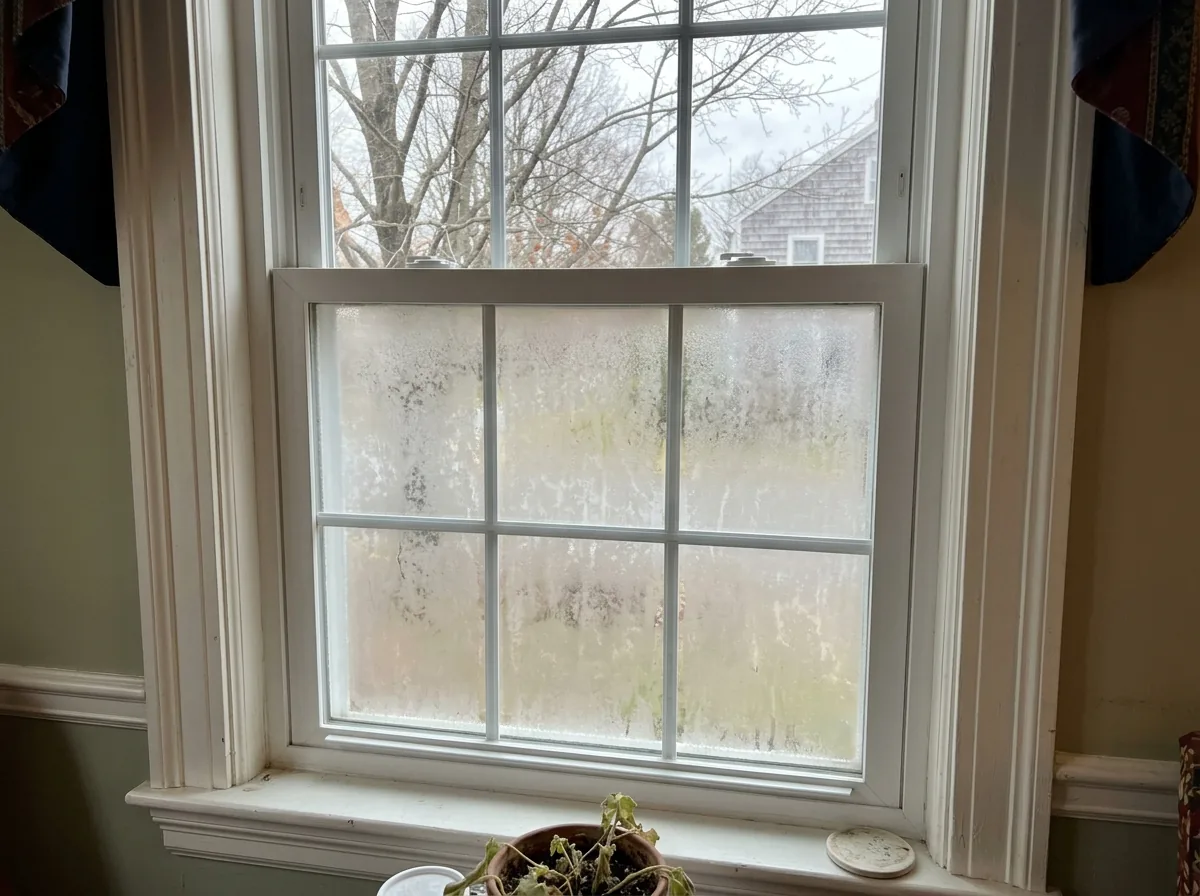
Foggy Insulated Glass Units (Failed Seal)
Condensation between the panes of a double- or triple-pane window means the edge seal has broken. The glass can't be wiped clean, and the gas fill is leaking out. National cost guides give two ways to fix it:
- Reseal and recharge: $75 to $210 for a seal repair; refilling lost argon alone is $100 to $150.
- New sealed unit: around $200 for an insulated glass unit (IGU) set into the existing sash.
- New sash or window: when the old brand's glass is discontinued, a compatible IGU may not exist.
A fogged unit rarely gets worse fast, but a seal left broken can let water into the sash and sill. If more than a few units in the house have fogged at once, price glass against new energy-efficient windows before deciding.
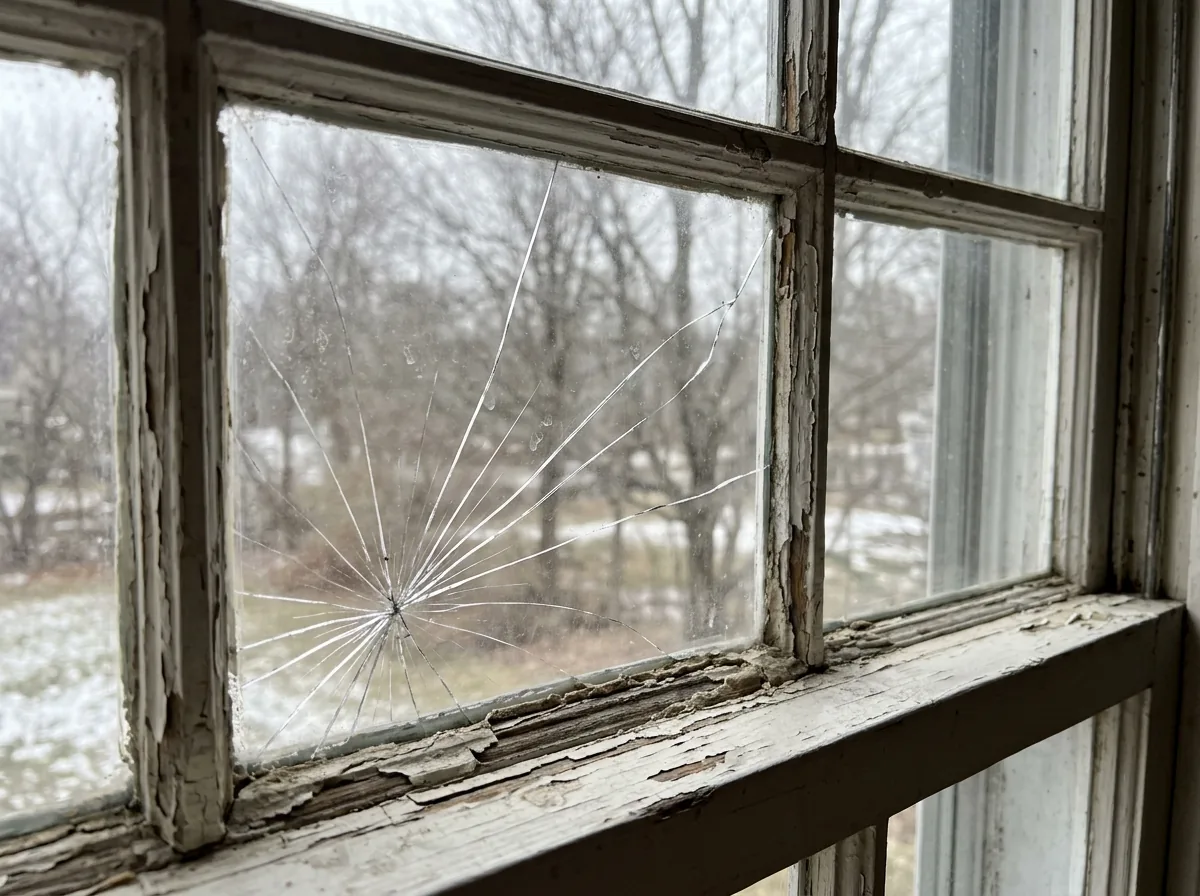
Broken or Cracked Window Panes
A crack doesn't always mean new glass. Cost guides put an epoxy repair of a small crack at $70 to $175; the resin cures for 24 hours. A pane that's shattered or cracked across has to come out. On a double- or triple-pane window, the whole sealed unit is replaced rather than one layer of it.
- Single pane, standard double-hung: about $200 for clear glass.
- Labor alone: $50 to $125 per pane, about 45 to 60 minutes each.
- After-hours call: 50% to 100% above standard rates on nights, weekends and holidays.
Board the opening and wait for regular hours if the weather allows.
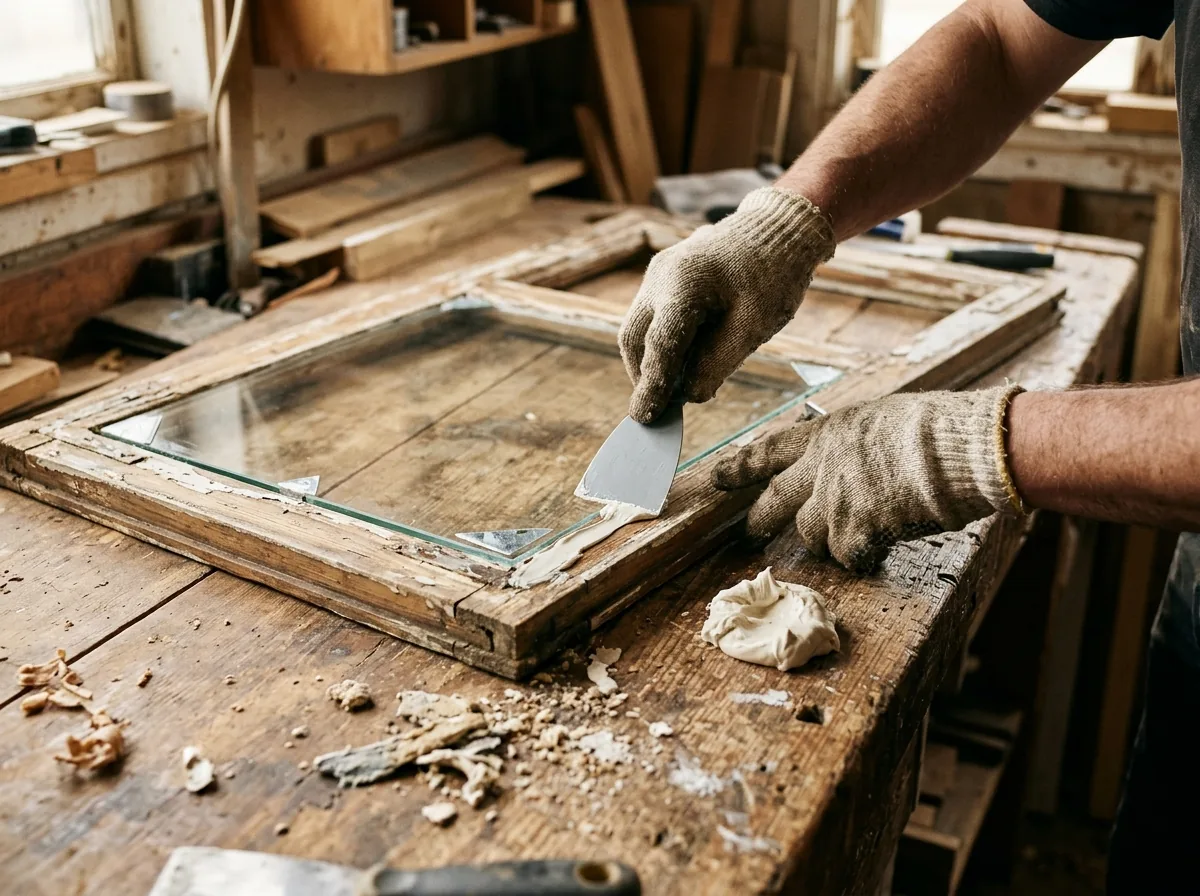
Single-Pane Glass in Old Wood Sashes
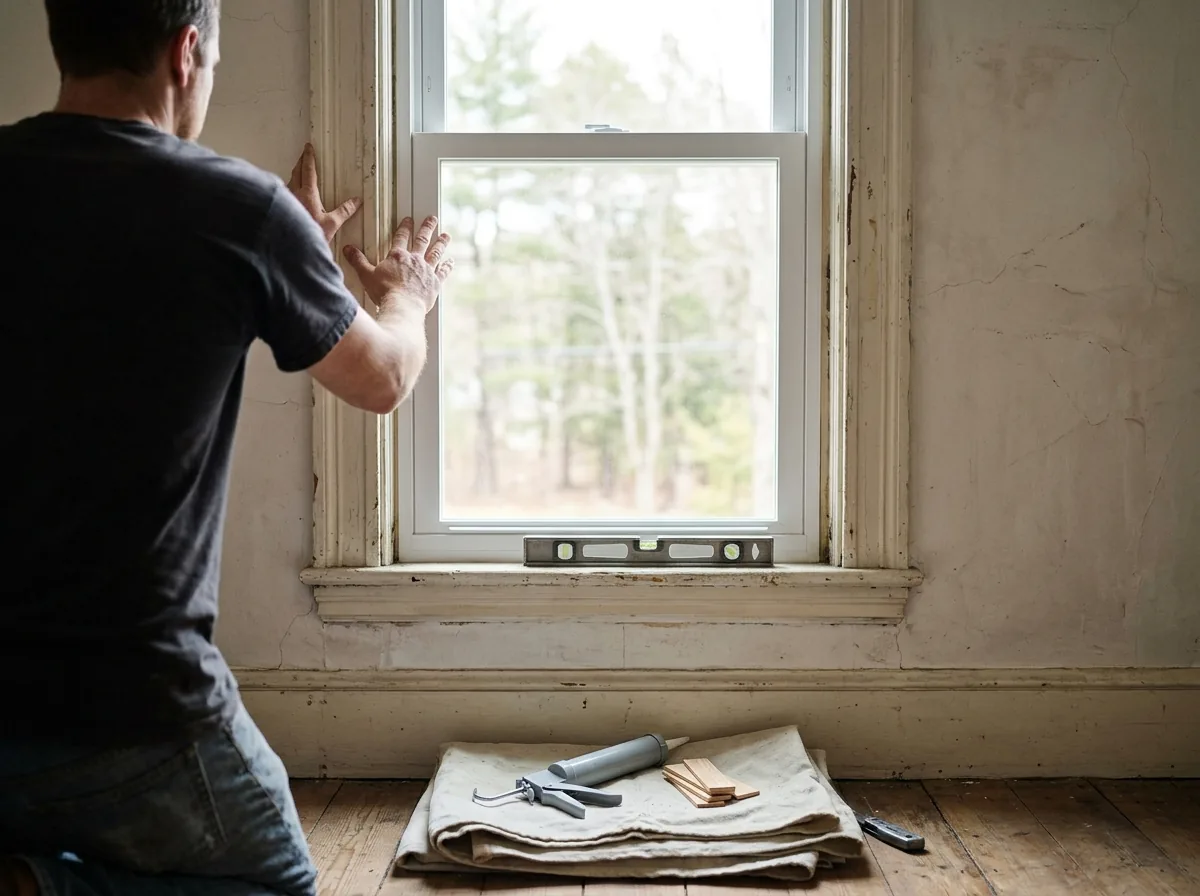
Plenty of older Lowell windows still hold single panes set in putty. Replacing one is a sash job done on a bench. The old putty and glazing points come out, the rabbet is primed, and the new pane goes onto a bed of glazing compound. Once the putty has firmed up, the paint goes on and should lap onto the glass to seal it. Reglazing a whole sash runs $250 to $500 per window in national cost data. Scraping out old putty in a pre-1978 house is lead-safe work. Glass-only work also keeps the original sash, which matters in a historic district.
Tempered and Laminated Safety Glass
Safety glass breaks in a way that's less likely to cut. Tempered glass is heat-treated and breaks into small pieces. Laminated glass has a plastic layer that holds the shards together, cuts outside noise, and resists forced entry. National guides price either one at roughly $300 to $750 for a typical replacement. Laminated glass costs about $125 to $150 more than the same pane without the layer. The next section covers where it's required.
Why Lowell homeowners call Lowell Window Replacement
- One independent window contractor gets your request
- Ask for the HIC number: MA contracts must show it
- Written contract on any job over $1,000
- The call and the referral are free
Safety Glazing Rules for Replacement Glass in Massachusetts
The Massachusetts residential code is the 2021 International Residential Code with state amendments. In the safety glazing section it changes only the labeling rule (R308.1), deleting two exceptions and adding a pointer to the state's safety glazing law (M.G.L. c.143, ss.3T-3V); the list of hazardous locations (R308.4) stands as written. In practice, replacement glass in any of these spots should be safety glass:
Doors
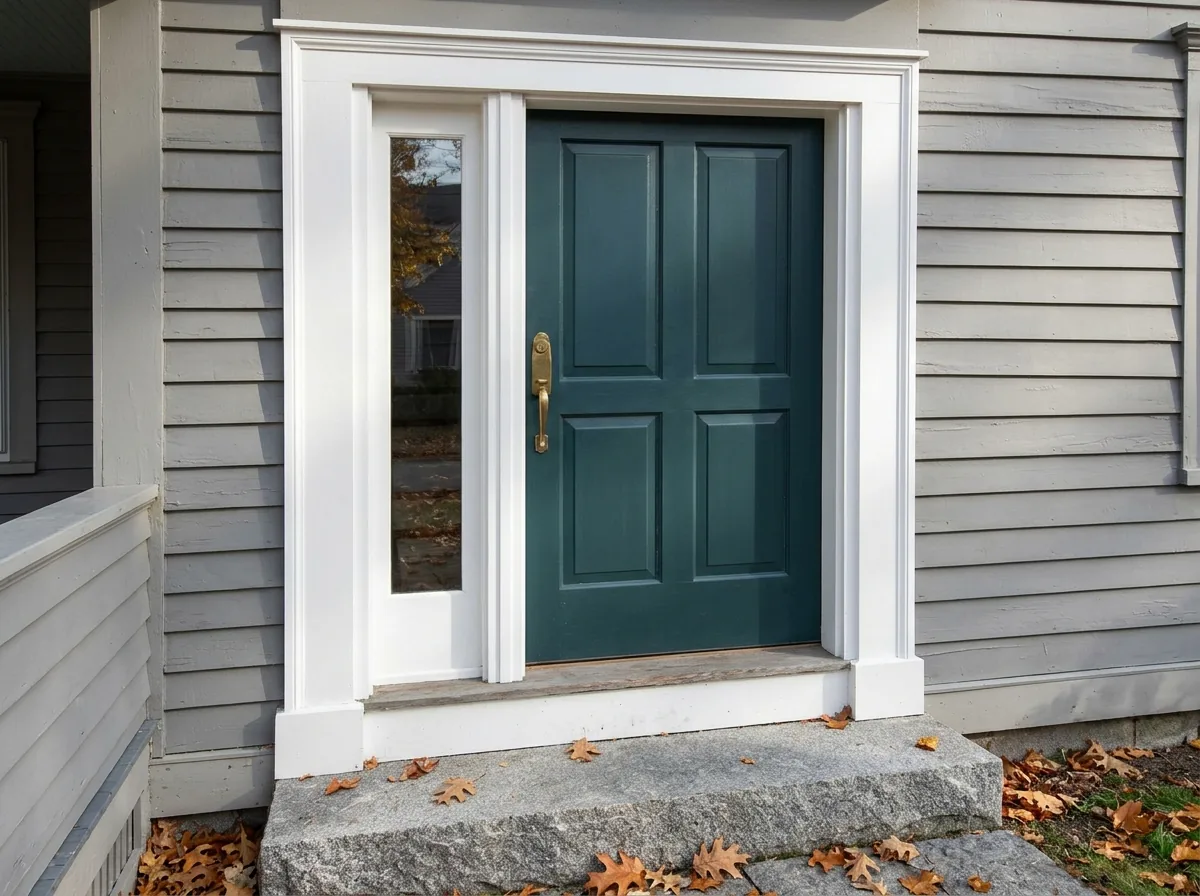
any glass in swinging, sliding or bifold doors, apart from openings too small for a 3-inch sphere and decorative glass.Beside doors
glass within 24 inches of a door when its bottom edge is less than 60 inches above the floor.Large, low panes
a pane over 9 square feet whose bottom edge is under 18 inches off the floor and top edge over 36 inches up, with a walking surface within 36 inches.Wet areas
glass by a tub, shower, hot tub or pool whose bottom edge is under 60 inches above the standing surface.Stairs and landings
glass less than 36 inches above a stair, ramp or landing, or within a 60-inch arc of the bottom tread.
The state law names sliding glass doors, storm doors, shower doors, tub enclosures and fixed panels beside entrance doors as hazardous locations. Each safety pane sold or installed for those spots must be permanently labeled by etching, sandblasting or fired ceramic, showing who labeled it, its thickness and its type. Knowingly installing ordinary glass in a hazardous location carries a fine of $500 to $10,000. So look for the mark in the corner of the new pane before the installer leaves.
Glass-Only Repair or a New Sash: What Changes the Price
Glass-only work is usually the cheaper route. National cost data puts it 30% to 70% below a full window replacement, which averages $450 to $1,500 per window. The quote moves with:
Pane size
about $150 to $350 under 24 by 24 inches, $350 to $600 for 24 by 36 up to 30 by 48 inches, and $600 to $1,200 or more at 48 by 60 inches and up.Glass type
low-E, argon or krypton fill, frosted and laminated glass all cost more than clear float glass.Height
an extra $150 to $400 for gear or a second worker on second- and third-story panes.Minimums
some glass shops charge $100 to $150 or more for any visit.
New glass stops making sense when the frame is soft or warped. That's a sill and frame repair question first. Bay, bow and curved units often use custom sealed assemblies where glass-only replacement is uncommon. Some window makers won't honor a warranty after the glass is changed without a new sash. When the sash itself is failing, a new sash may cost about the same as the glass.