
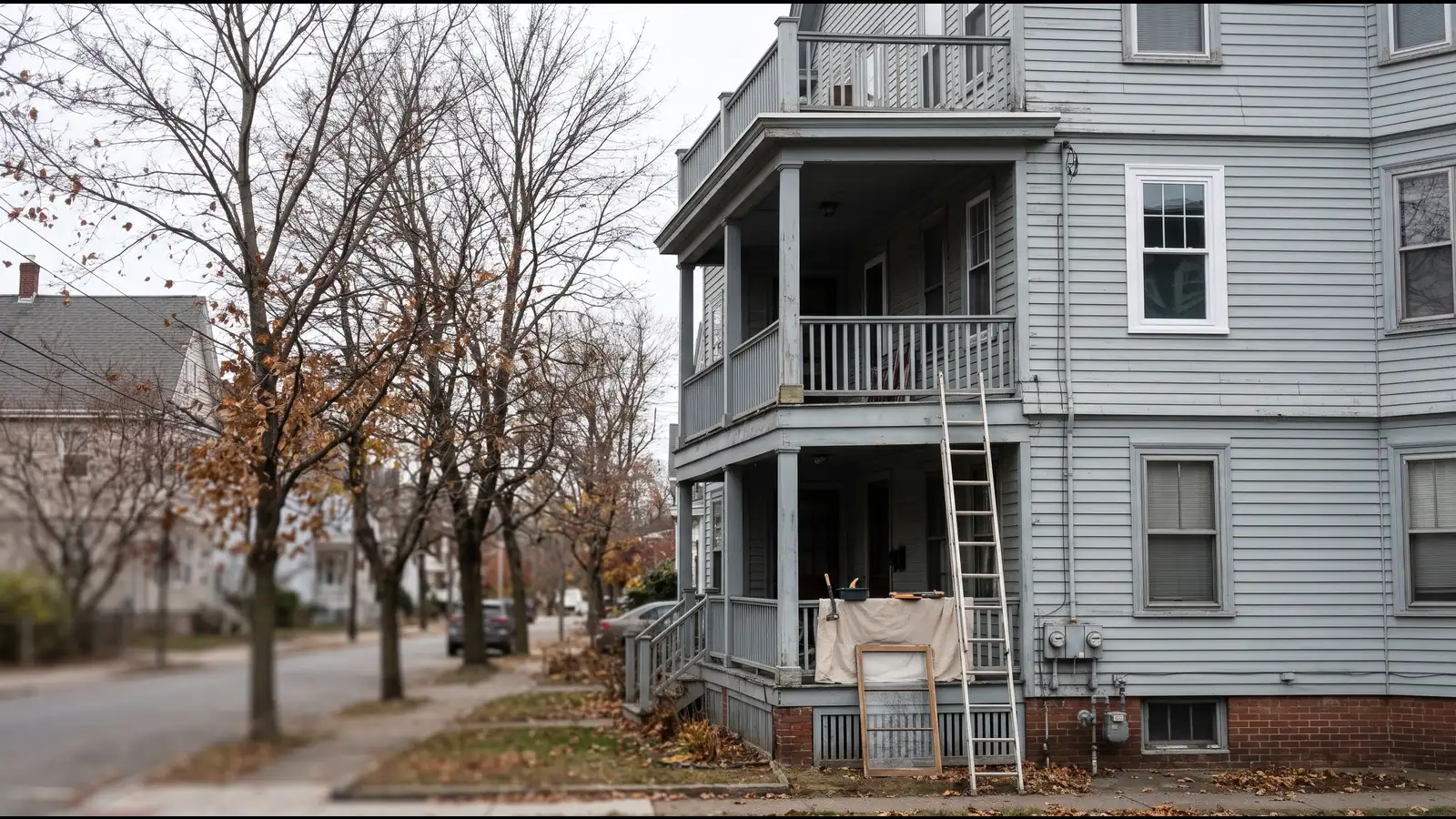
Historic Window Restoration Methods
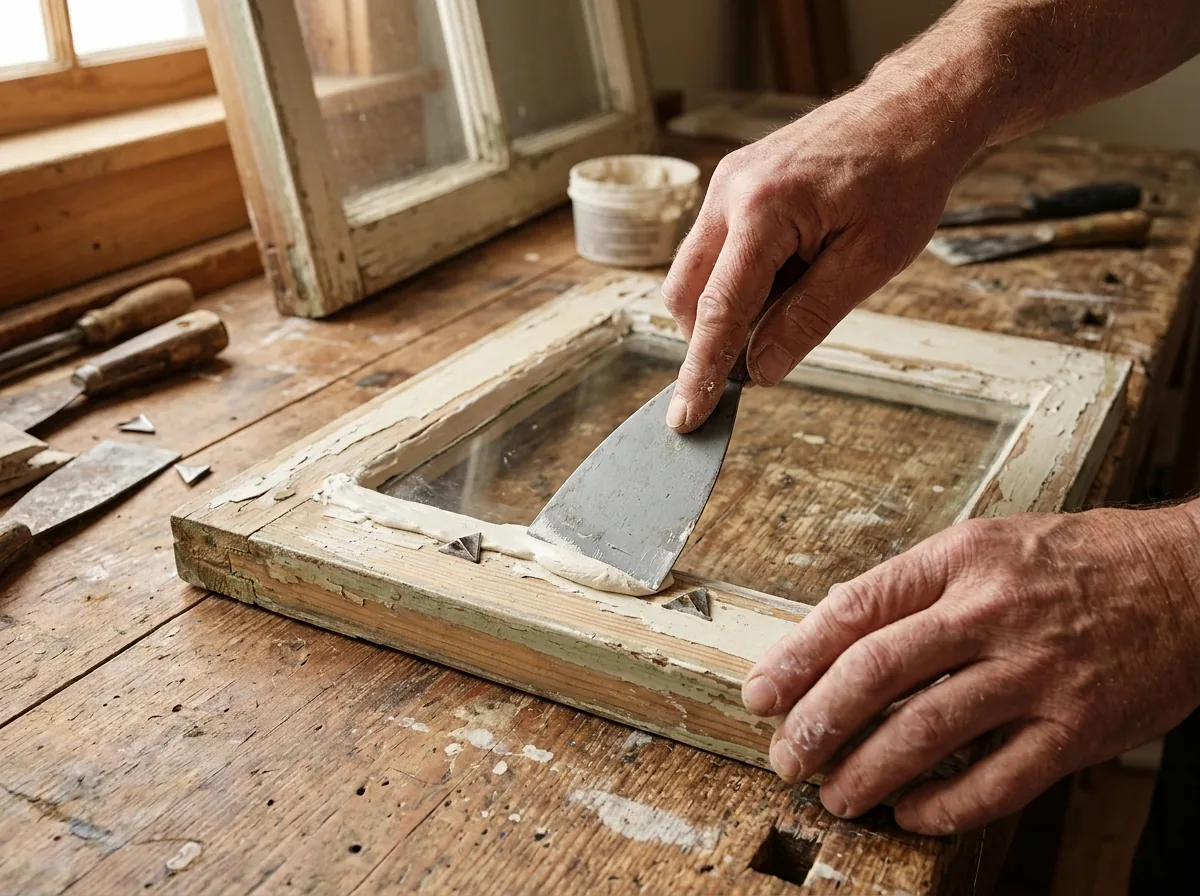
Reglazing and Glazing Putty
Reglazing replaces the putty that seals each pane into the sash. The National Park Service's repair brief lays out the order: remove the old putty by hand, pull the glazing points, number and lift out the panes, scrape the rabbet, then prime. A bead of glazing compound or linseed oil putty goes in to cushion the glass, the pane is pressed back and pinned, and a final bevel of putty seals it. Paint goes on once the putty skins over, usually in 2 or 3 days, and should lap slightly onto the glass. In the NPS demonstration on a 90-year-old two-over-two window:
- Paint, putty and glass removal: about one hour per sash.
- Reglazing both sashes: about one hour.
- Weatherstripping, new sash cords and reinstalling: about an hour and a half.
Sash and Sill Repair With Epoxy Consolidation
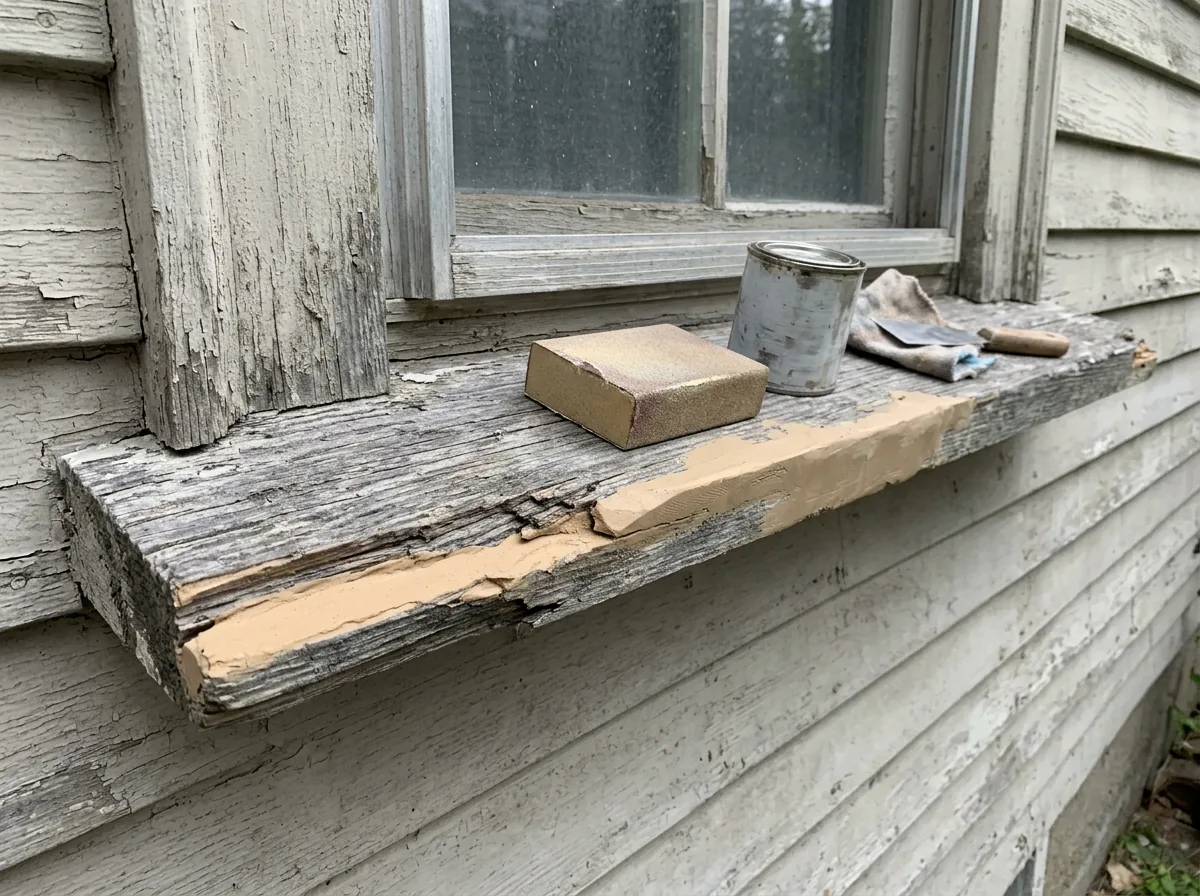
Wood that is soft but not gone can be saved. The NPS brief describes semi-rigid epoxies that soak into decayed wood and harden, followed by an epoxy patching compound that is shaped, sanded and painted; the brief shows it rebuilding a weathered sill edge. Flat surfaces should be sloped so water runs off. Broken sash cords are replaced with new rope or chain, reached through the access door in the jamb or by removing the interior trim. Where parts are too far gone, splicing in new wood or making a new matching sash is the next step. The restorer's cost survey puts spring bronze weatherstripping at about $85 to $110 per window, and integrated metal weatherstripping at $150 to $250.
Lowell Historic Board Review Before Exterior Work
The Lowell Historic Board has design review and permitting authority in 11 districts: the Downtown Lowell Historic District and ten neighborhood districts. How much it reviews depends on the district:
- Downtown Lowell Historic District: any exterior alteration, and interior work that changes the exterior look, needs Board approval before work begins.
- Acre Neighborhood District: a design review district that shares the downtown fee table; ask staff which window work it reviews.
- The other neighborhood districts: demolition, partial demolition (including removing architectural details and porches) and new construction only.
Restore or Replace in a Historic District
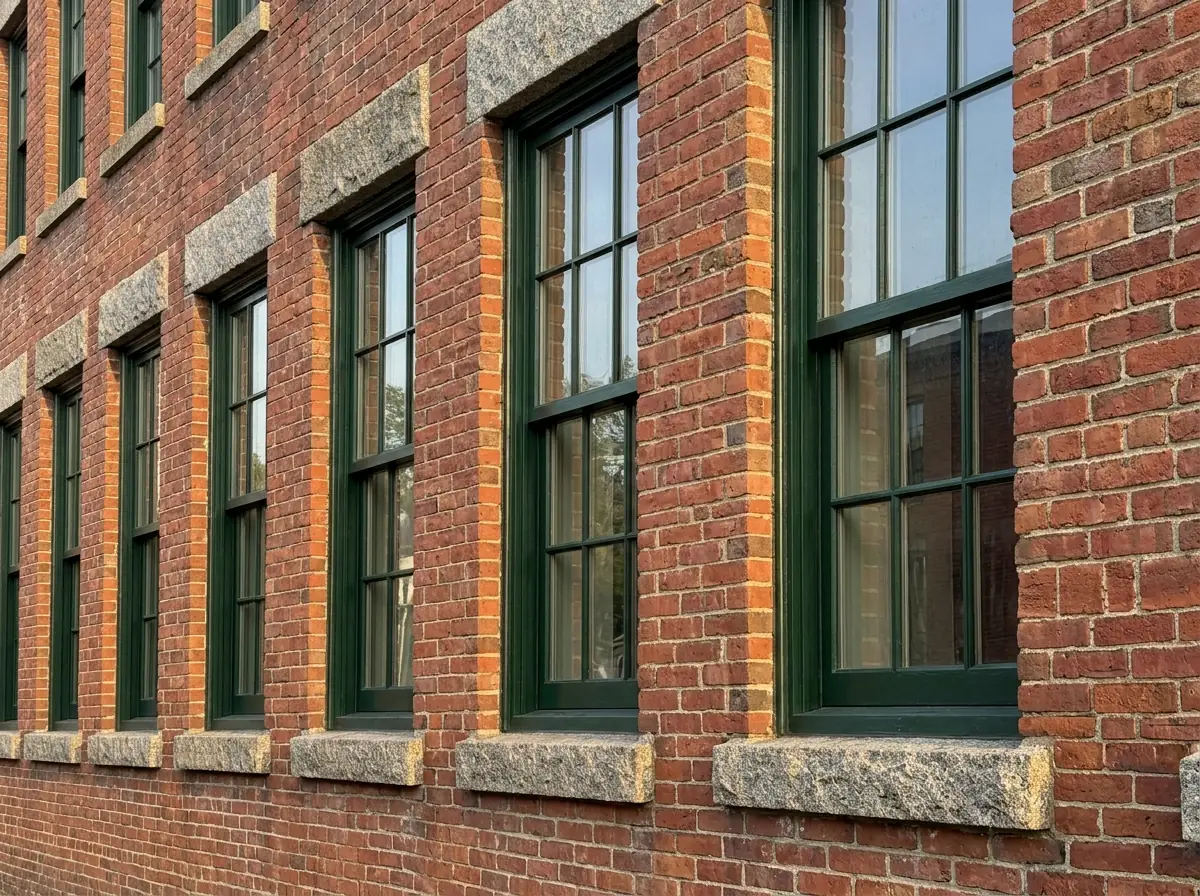
Downtown, the standard on windows starts from repair: existing historic windows are to be retained and repaired to improve thermal efficiency wherever possible. If replacement is essential, the new unit has to match the original type (hung sash, casement, pivot, awning), the look of the muntin grid, the width and depth of the exterior trim and sash members, and the opening size and recess depth. Storm and screen windows go on the interior. Elevations on alleys or areaways, out of public view, may be allowed a different design.
Why Lowell homeowners call Lowell Window Replacement
- One independent window contractor gets your request
- Ask for the HIC number: MA contracts must show it
- Written contract on any job over $1,000
- The call and the referral are free
Historic Board Permit Steps, Fees and Timing
The city's advice is to consult Historic Board staff as soon as you start planning. The staff decides whether a window job is minor or major development:
Minor development
ordinary maintenance, repair, in-kind replacement and easily reversible changes that meet the standards. These are handled administratively, with no public hearing, in about 7 days on average.Major development
everything else, reviewed at a public hearing, in about 30 days on average.Hearings
the second Monday of the month at 6 p.m. at City Hall, with a noon submittal deadline about 12 days before; the November 9, 2026 hearing closed submittals on October 28.Fees downtown and in the Acre
minor work is 1/4 of 1% of project cost ($25 to $1,000); major work is 1/2 of 1% ($50 to $2,000). A $20,000 restoration billed as minor work comes to $50.Permit life
a Historic Permit is valid for 1 year from approval.
No other city department can issue a permit inside the district until the Board has approved the work, so the building permit comes second. Board approval is needed even when the job needs no building permit. Work done without it can draw a stop-work order, an order to undo the change at the owner's expense, and fines of up to $100 a day.
Lead Paint and Storms on Restored Windows
Most original sashes in Lowell carry decades of paint. Stripping and reglazing disturbs that paint, so a pre-1978 house needs a crew licensed for lead-safe work. The NPS brief suggests looking at exterior storms first, since they are thermally efficient, cost-effective and reversible, but the downtown standard calls for interior storms. For the storm types themselves, see storm windows.