
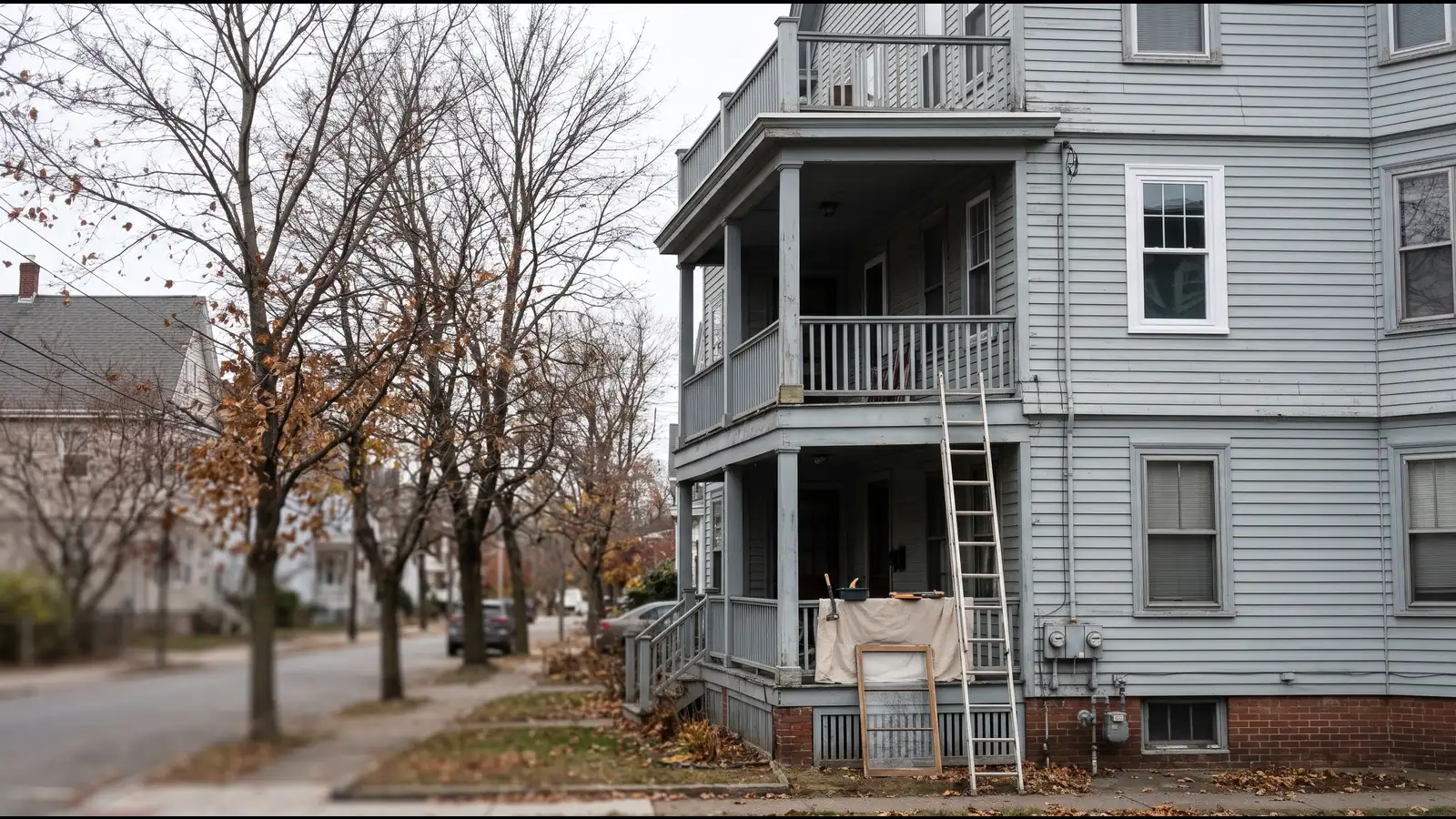
Casement Window Types and Configurations
A casement is hinged on one side and swings open like a door, usually outward with a hand crank. When it closes, the sash presses against the frame, which gives it a tighter seal against drafts than a sash that slides in a track.
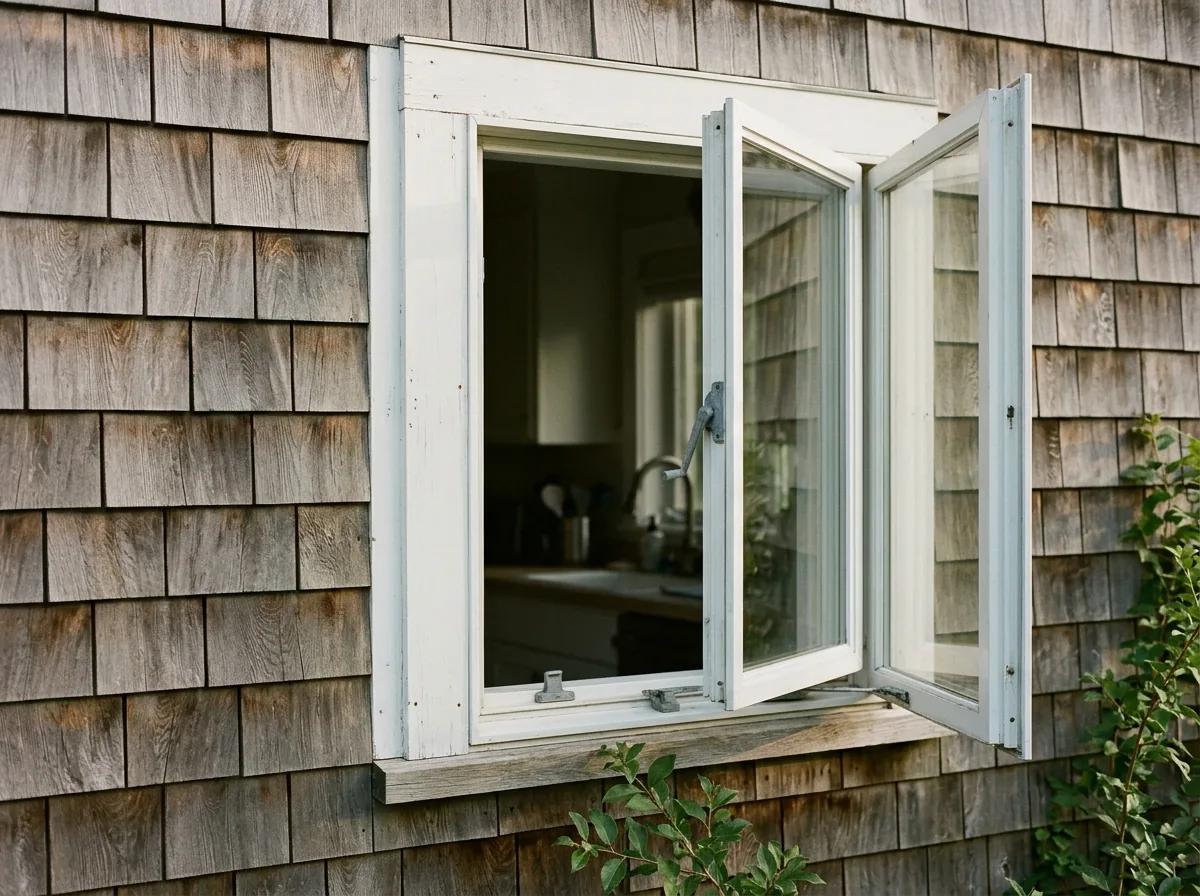
Single Casement Windows
One sash, one set of hinges, one crank, and the lowest price of the casement layouts. Because it opens all the way, you can reach every corner of the glass from inside to clean it. The parts to watch over the years are the hinges and the crank operator: one guide recommends oiling the crank once a year and checking the seals.
- Window only: about $300 to $700 for the unit.
- Labor: about $100 to $500 per window.
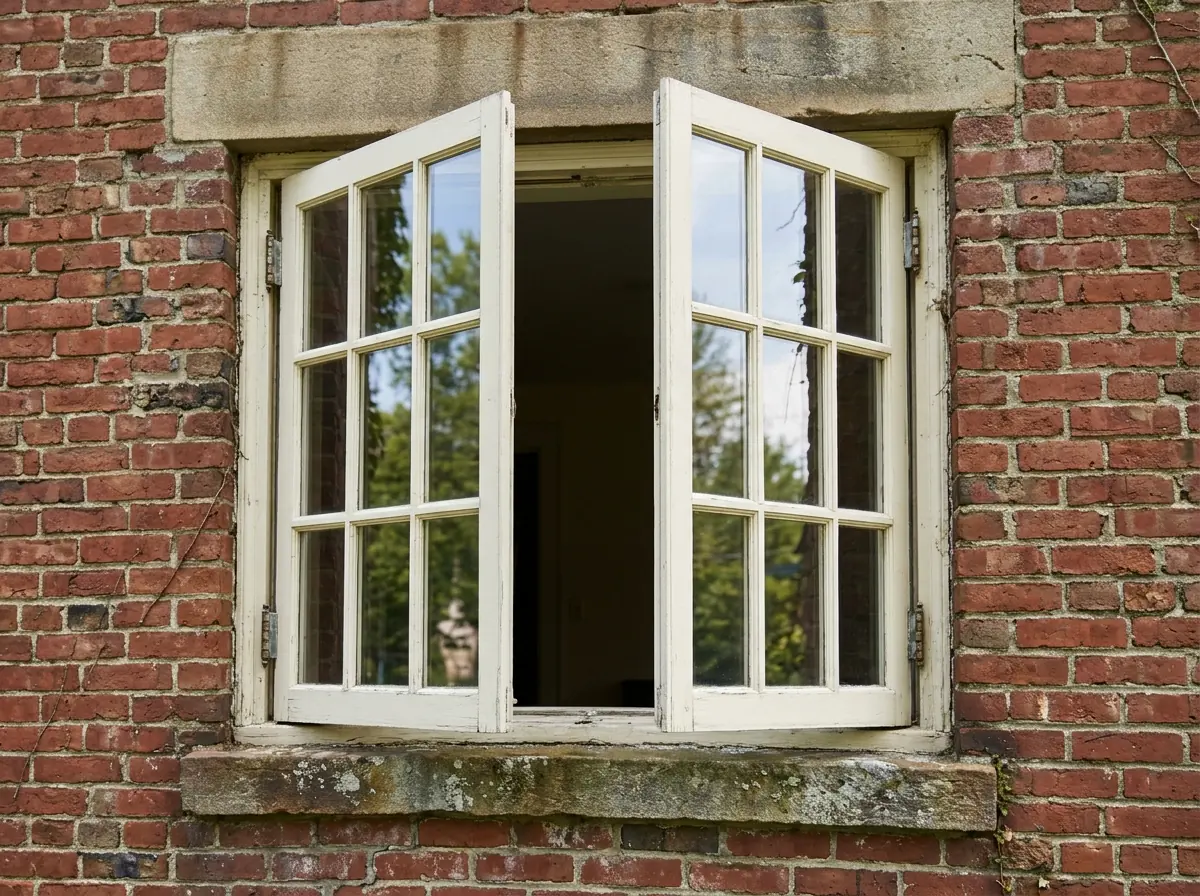
French Casements With No Center Post
A French casement is a pair of sashes hinged on the outer edges that meet in the middle with no post between them. When both are open, the full width of the frame is clear. This Old House lists the pair at about $445 to $585. Casements are also built as escape-size units, which HomeGuide prices at $750 to $3,750 installed; a bedroom window still has to meet egress size.
Push-Out Casements
Some casements have no crank. You turn the handle, push the sash open and pull it closed. That leaves out the crank, one of the moving parts guides list as likely to wear. On an upper floor, a low sill may still need a limiter under the fall-protection rule, crank or no crank.
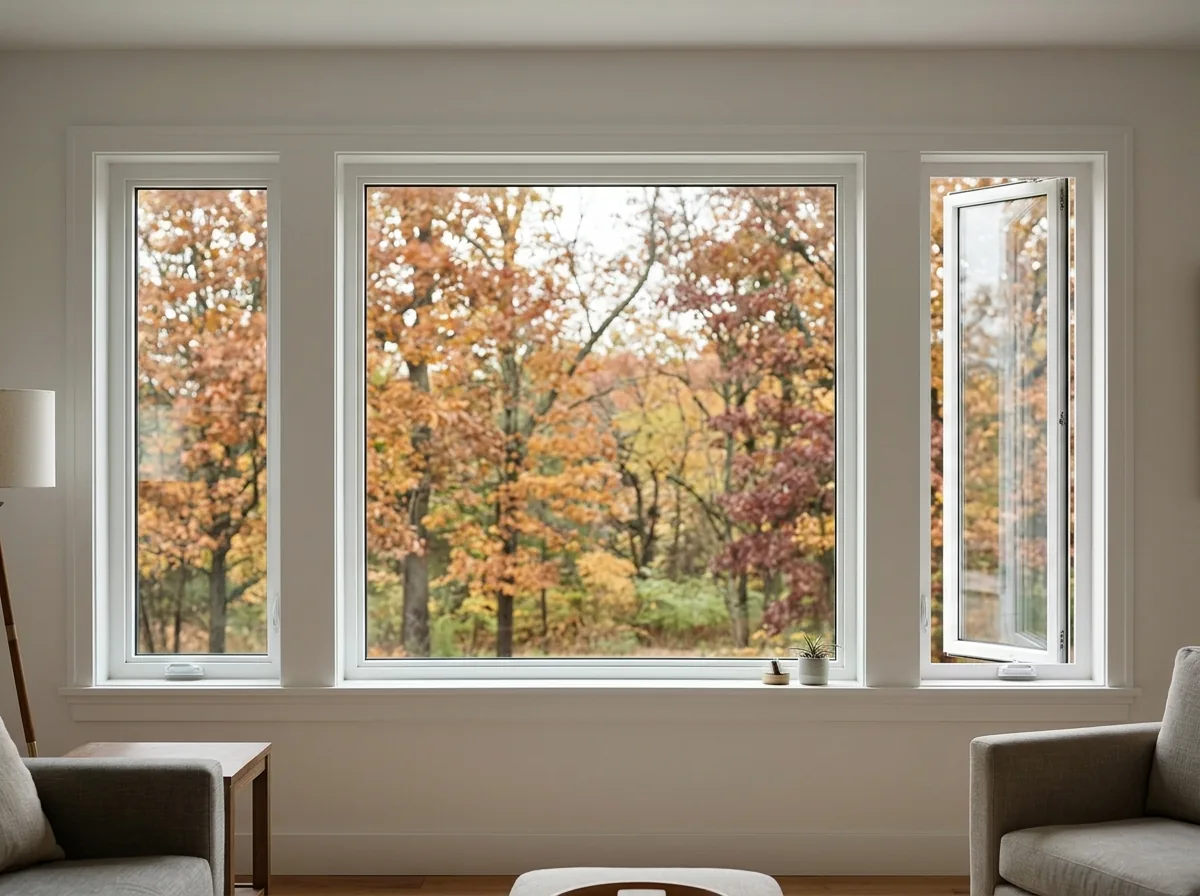
Casements Flanking a Picture Window
A fixed center pane with a casement at each side gives you the view and still lets air in. This Old House lists the combination at about $600 to $800. The flankers are ordinary casements. The center pane, its size limits and its glass are covered on the picture windows page.
Why Lowell homeowners call Lowell Window Replacement
- One independent window contractor gets your request
- Ask for the HIC number: MA contracts must show it
- Written contract on any job over $1,000
- The call and the referral are free
Casement or Double-Hung: What to Weigh in Lowell
Air sealing
A closed casement presses against its frame; a hung sash slides past its seals.Storms and screens
Casements don't pair well with storm windows or ordinary screens. If your house relies on storms over every window, that's a reason to stay with double-hungs.Reach
Casements work where you can't easily push a sash up, such as over a deep kitchen counter.Hardware
Hinges can rust and lose strength. Ask what the operator and hinges are made of and whether replacement parts are stocked.Original window type
In the downtown historic district, the standards ask that the original window type be kept, so a hung-sash building can't switch to casements without Historic Board review.Cost against a double-hung
Casements usually price above standard hung windows, partly because they need better hardware.
See awning windows for the top-hinged version of the same crank-out design, and for hoppers.