
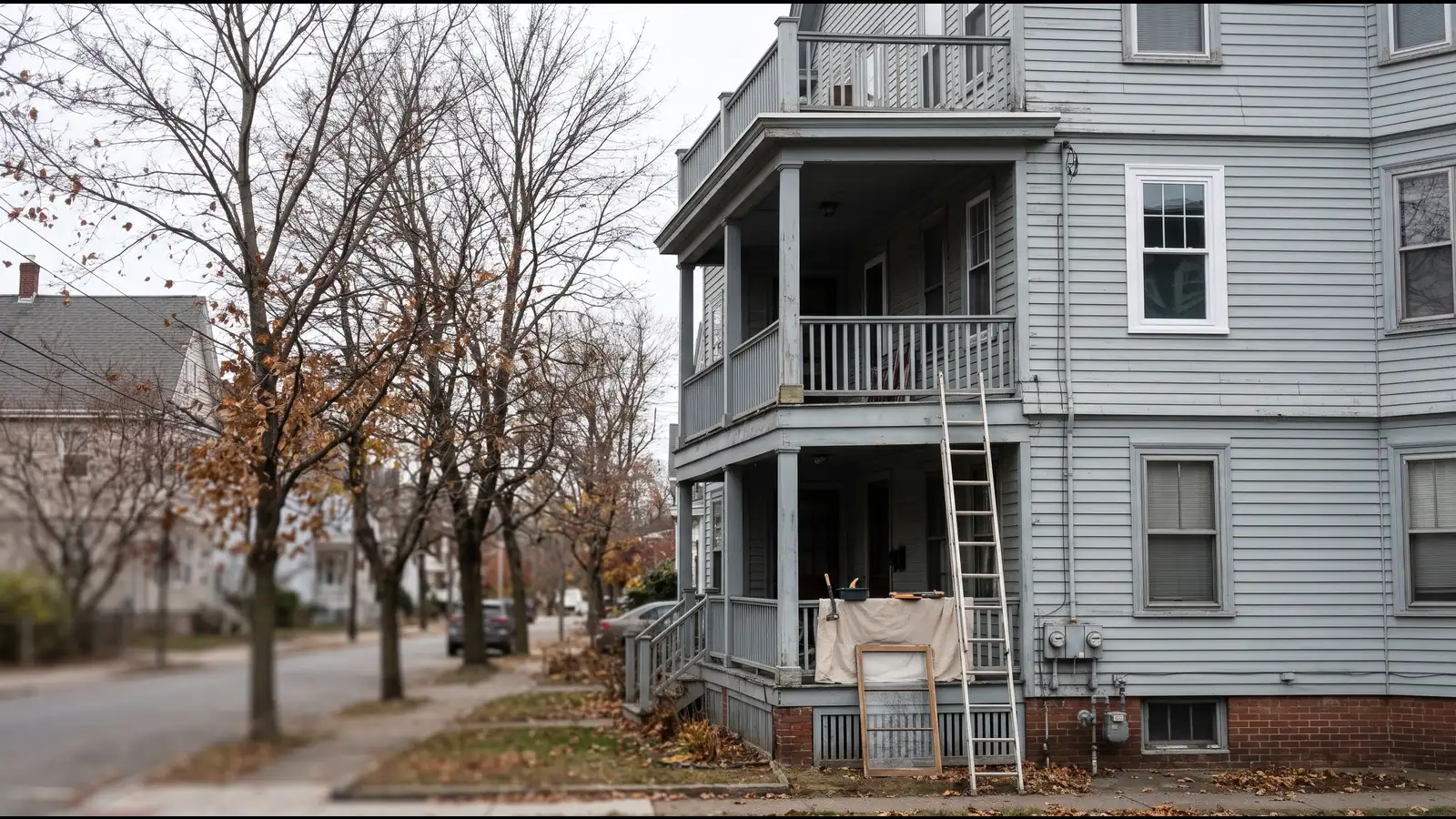
Window Sash Replacement Types: Kits, Balances, Cords and Liners
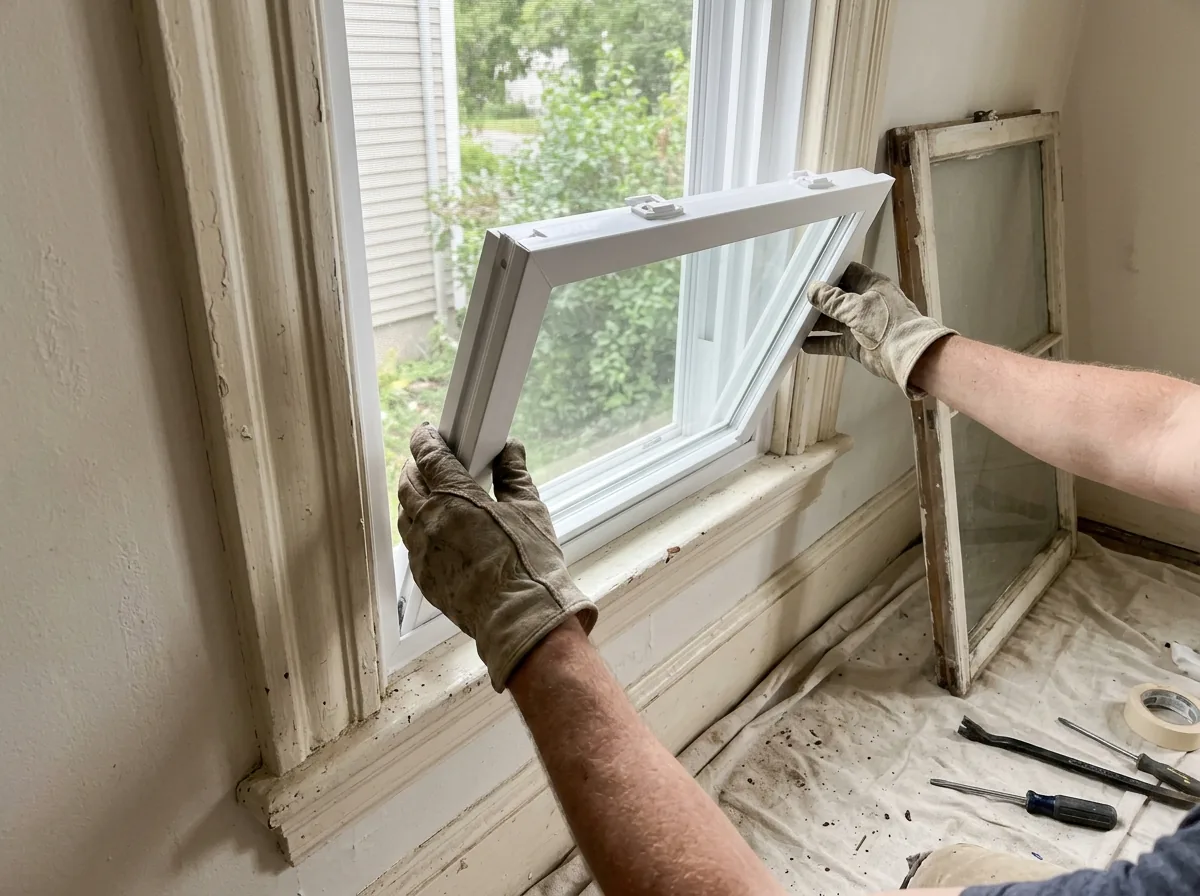
Tilt-In Sash Replacement Kits
A sash replacement kit swaps the moving parts of a double-hung and keeps the frame. The old sashes and weights come out, new jamb liners go in, and new sashes with insulated glass tilt into the liners. The Department of Energy's guide notes that the new sashes are custom-built for the opening, with very little room to adjust. The side jambs need to be close to parallel, or air leaks around the sash. National cost guides price a new sash by window type:
- Single-hung: about $200 to $500.
- Double-hung: about $250 to $600, with two moving sashes and more hardware.
- Casement: about $250 to $800 or more, since the sash is heavier and hangs on hinges.
The new sashes can take low-E double- or triple-pane glass. They still have to meet the energy code U-factor for replacement windows.
Block-and-Tackle, Spiral and Coil Balances
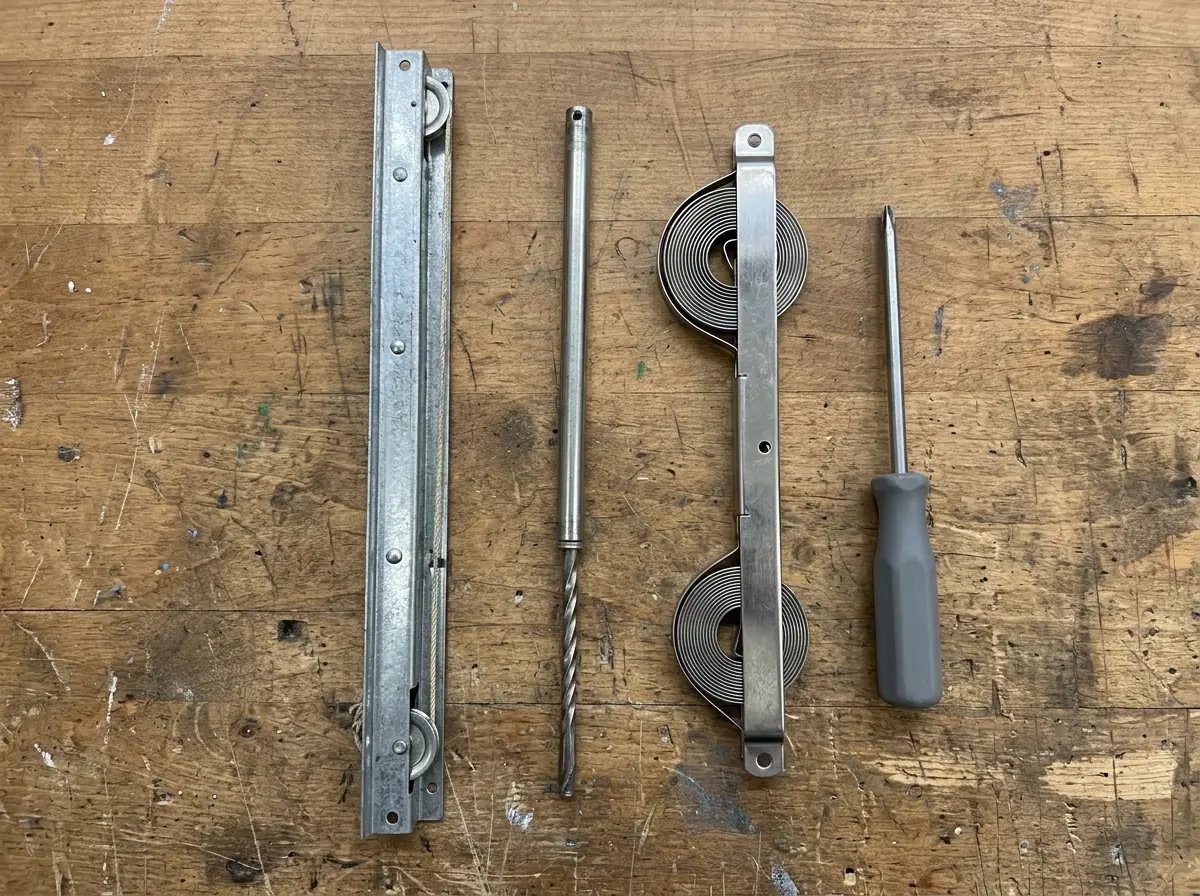
Newer double-hungs hold the sash up with spring balances hidden in the jamb. Too much tension makes a sash hard to move; too little and it falls. There are three spring types:
- Spiral (tube) balance: a spiral rod and spring in a tube. The spring weakens with use; a broken one can't be repaired, only replaced.
- Block-and-tackle (channel) balance: pulleys, a cord and a coil spring in a metal channel.
- Constant-force (coil) balance: a rolled stainless steel spring that pulls out like a tape measure.
Fixing a balance runs about $50 to $100 in national data. Matching the part takes the window maker, the series and the balance's part number. When one balance goes, replace both sides so they start out new together.
Rope-and-Weight Sash Cords
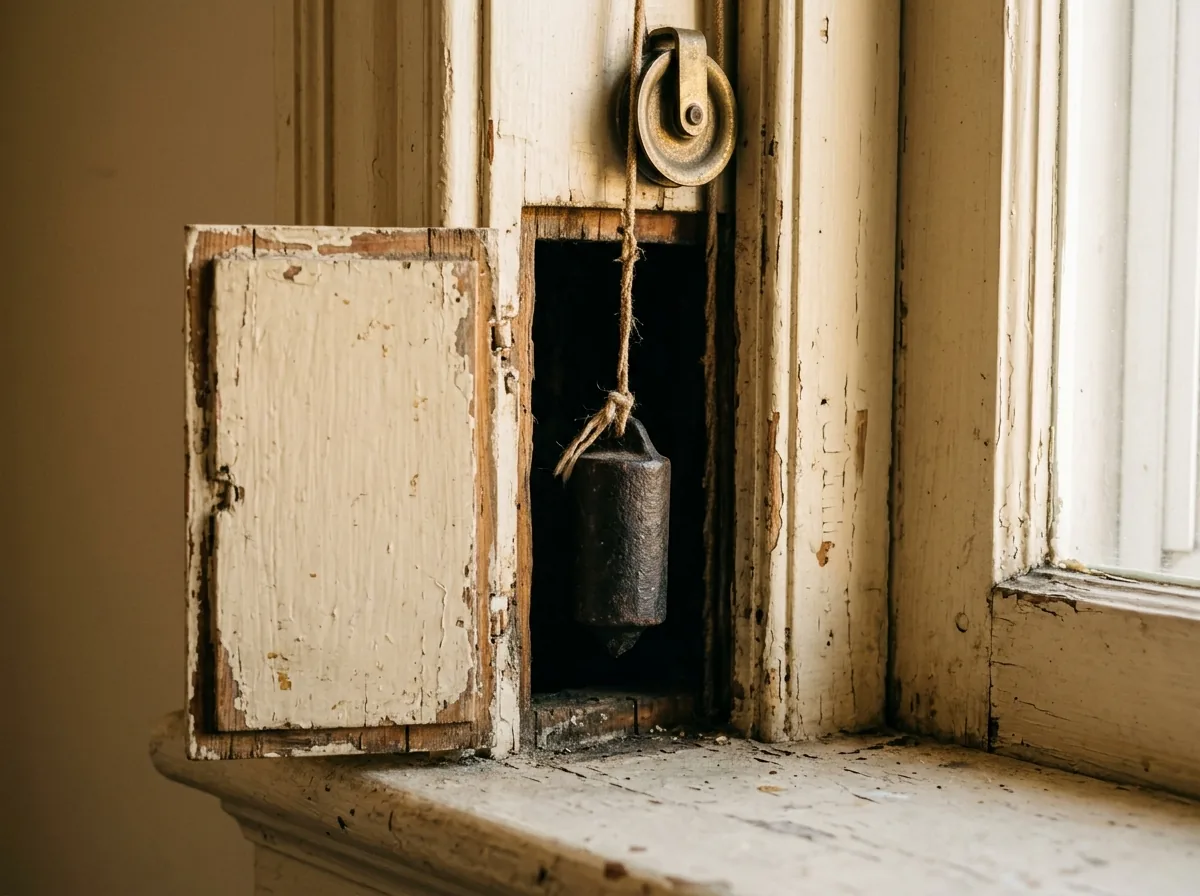
Wood windows from before the spring era use cast iron or lead weights hung on cotton cords running over a pulley at the top of the jamb. The cords fray and snap, and the sash then slams down or won't stay up. The fix is new rope or chain. A crew reaches the weight through the pocket door on the jamb near the sill, or by removing the trim if there's no door. Each weight should be about half the weight of the sash. With about 44% of Lowell's housing built in 1939 or earlier, many local double-hungs still run on weights.
Jamb Liners
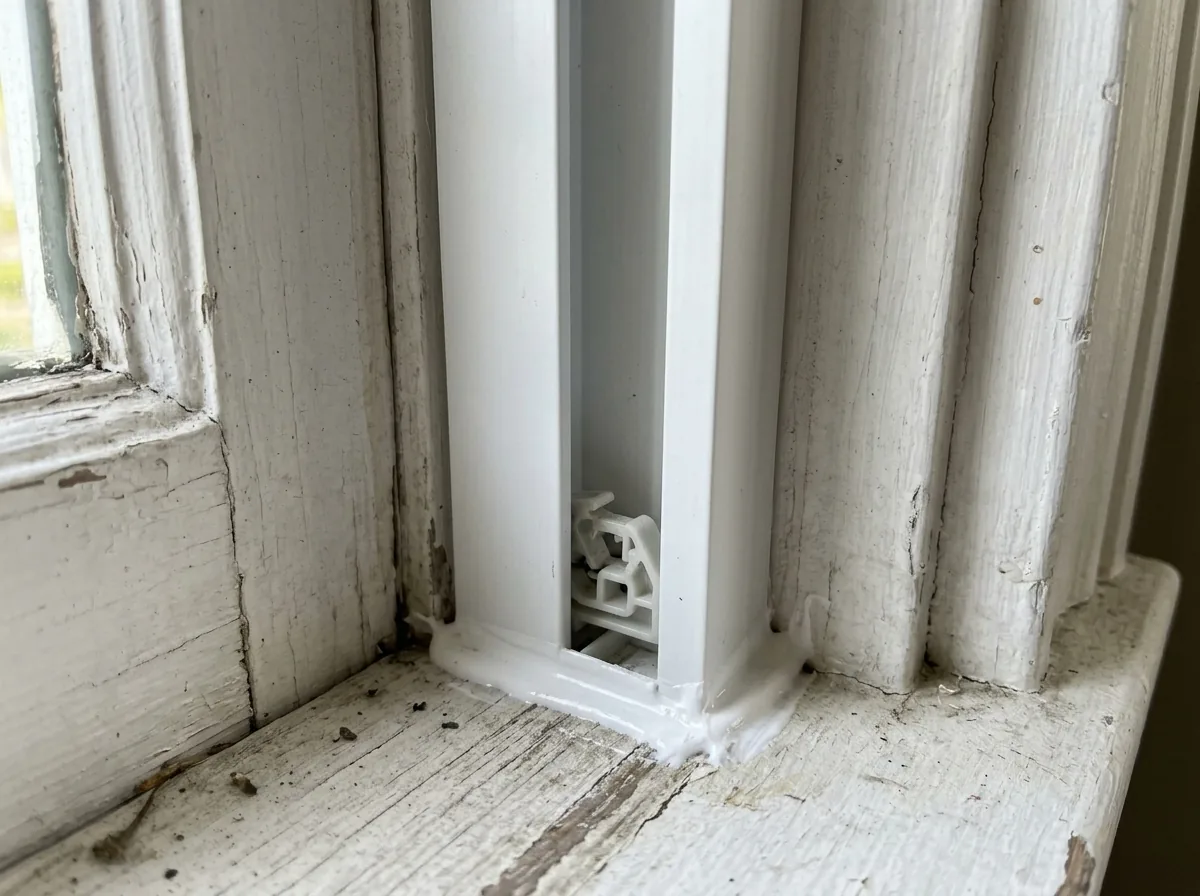
A jamb liner is the track a sash rides in. In a kit job, new spring-loaded jamb liners give the sashes fresh tracks and take over from the weights. The Department of Energy's guide covers the steps:
- Weight pockets: air-sealed and insulated once the weights are out.
- Corners: the head, jamb and sill corners caulked before the liners go in.
- Bottom of the liner: left unsealed where it meets the sill, so water can weep out.
Why Lowell homeowners call Lowell Window Replacement
- One independent window contractor gets your request
- Ask for the HIC number: MA contracts must show it
- Written contract on any job over $1,000
- The call and the referral are free
Sash Replacement Cost: What Moves the Price
National cost data puts most sash jobs at $200 to $600 per window, against $450 to $1,500 for an insert replacement window. Here is what moves the quote:
Material
wood sashes cost most to replace; vinyl least.Glass
double or triple glazing, low-E coatings and gas fill add to the price.Frame condition
easy access runs $50 to $150 in labor per window, and older wood frames $100 to $200. Repairs or rotted material push past $300.Historic matching
custom work to replicate a historic sash costs more.
A simple seal repair (new caulk or gasket) runs about $75 to $150 per window and is worth ruling out first on a drafty sash.
When a Sash Kit Is the Wrong Fix
Rotted sill
The Department of Energy's guide calls the sill the most important part of the window assembly and says cracked or rotting sills have to be replaced first. See sill and frame repair.Out-of-square jambs
Kits need near-parallel jambs; a frame that's racked needs an insert or full-frame window.Historic district
The same guide notes that review boards usually prefer keeping existing windows. Restoring the old sash and adding a storm window keeps the original.Lead paint
In a pre-1978 house, ask whether the crew is lead-safe certified before sashes and stops come out.