
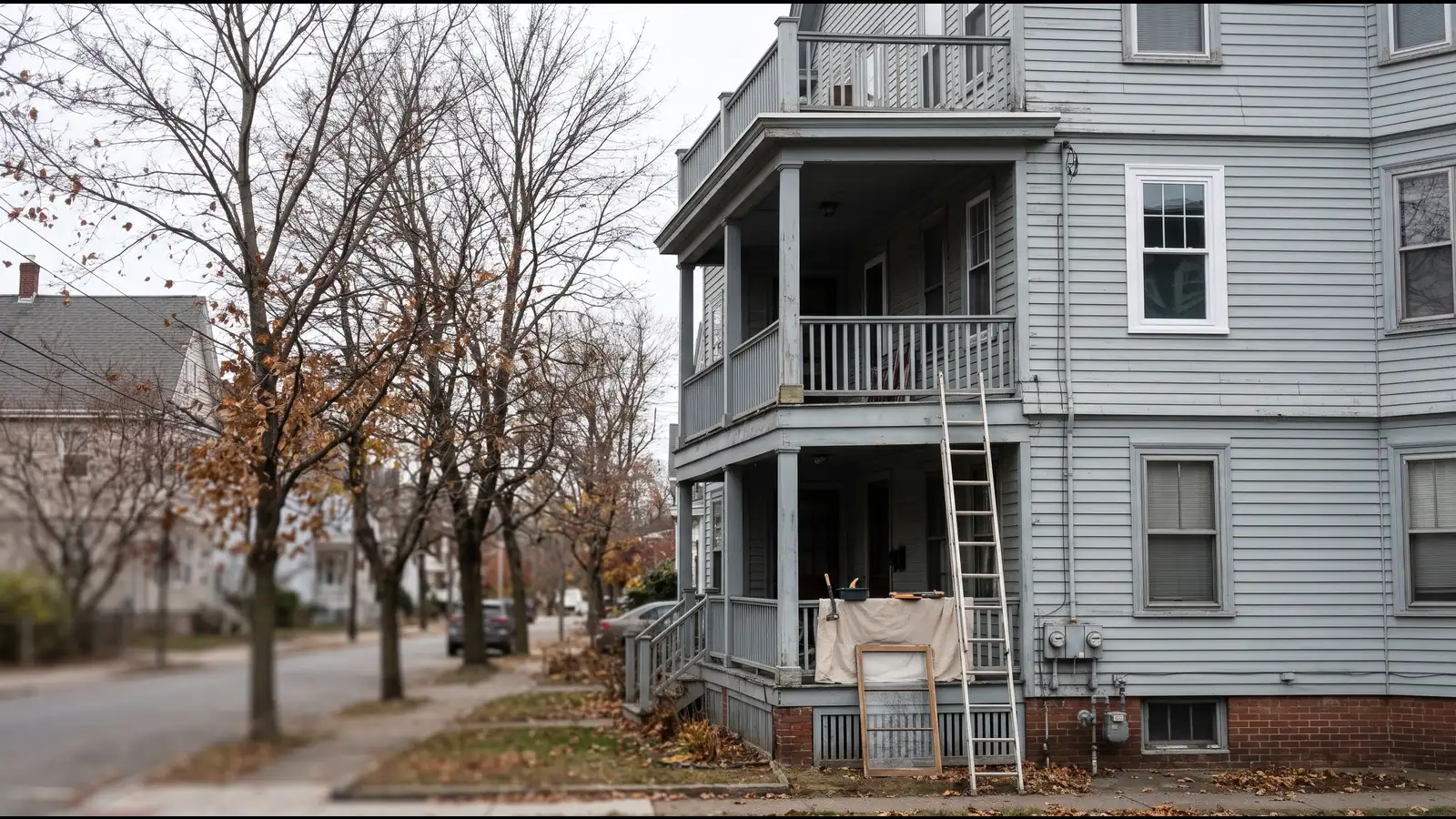
Vinyl Replacement Window Types and Options
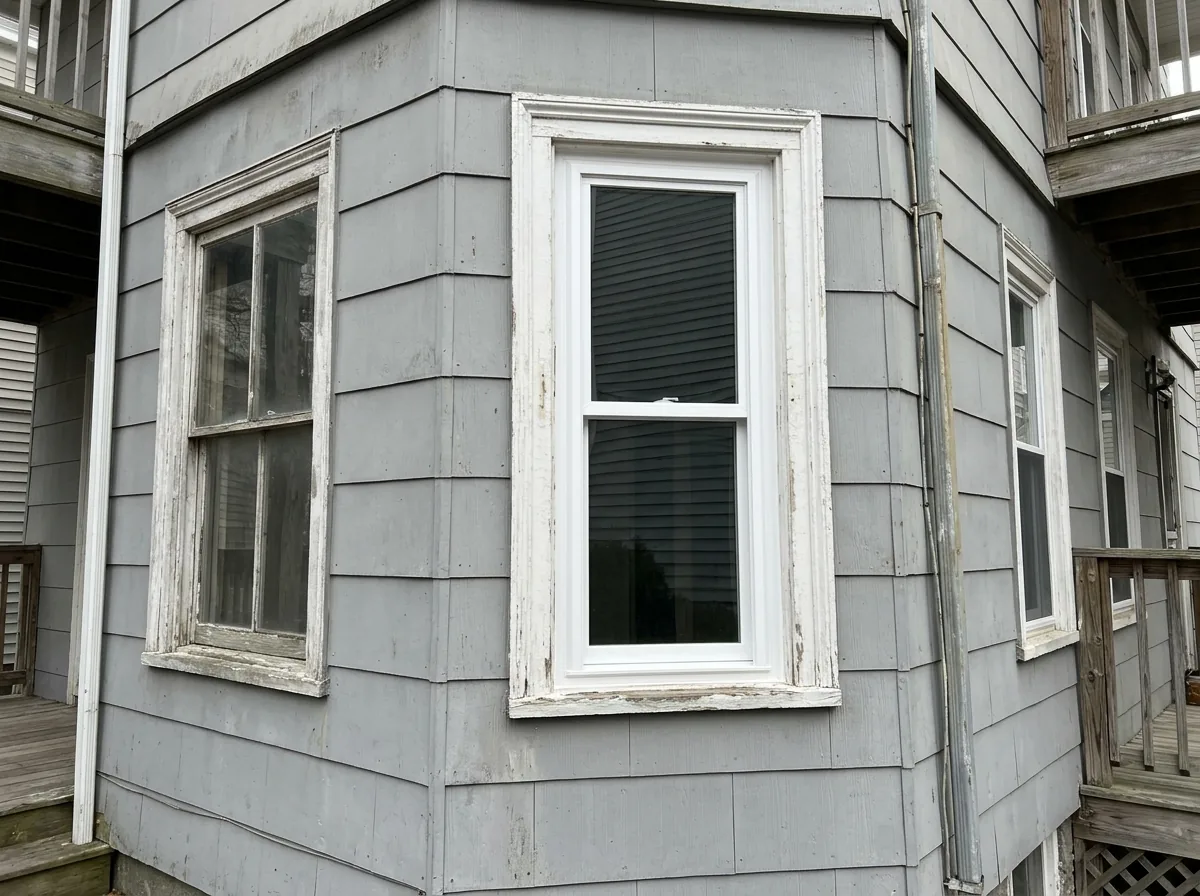
Vinyl Double-Hung Inserts
A vinyl insert is a complete window that fits inside the existing frame. Because the old frame is reused, interior trim and siding usually stay put, which is why inserts cost less than a full tear-out. Whether your frames are sound enough for an insert, or need a tear-out, is covered under full-frame and insert replacement. Inserts are made to size, so the measurement drives the order:
- Width: jamb to jamb at the top, middle and bottom; the smallest number is used
- Height: head jamb to the high point of the sill at left, middle and right; again the smallest
- Depth: checked so the new unit seats in the old frame
Vinyl Casements and Sliders
Vinyl casements crank open from one side; cost guides price a vinyl casement at about $300 to $1,400 installed. Sliders suit wide, short openings where a crank or a tilting sash would be awkward. Wide vinyl sills may be reinforced with metal or wood, worth asking about on a large slider. For crank and hinge details, see casement windows.
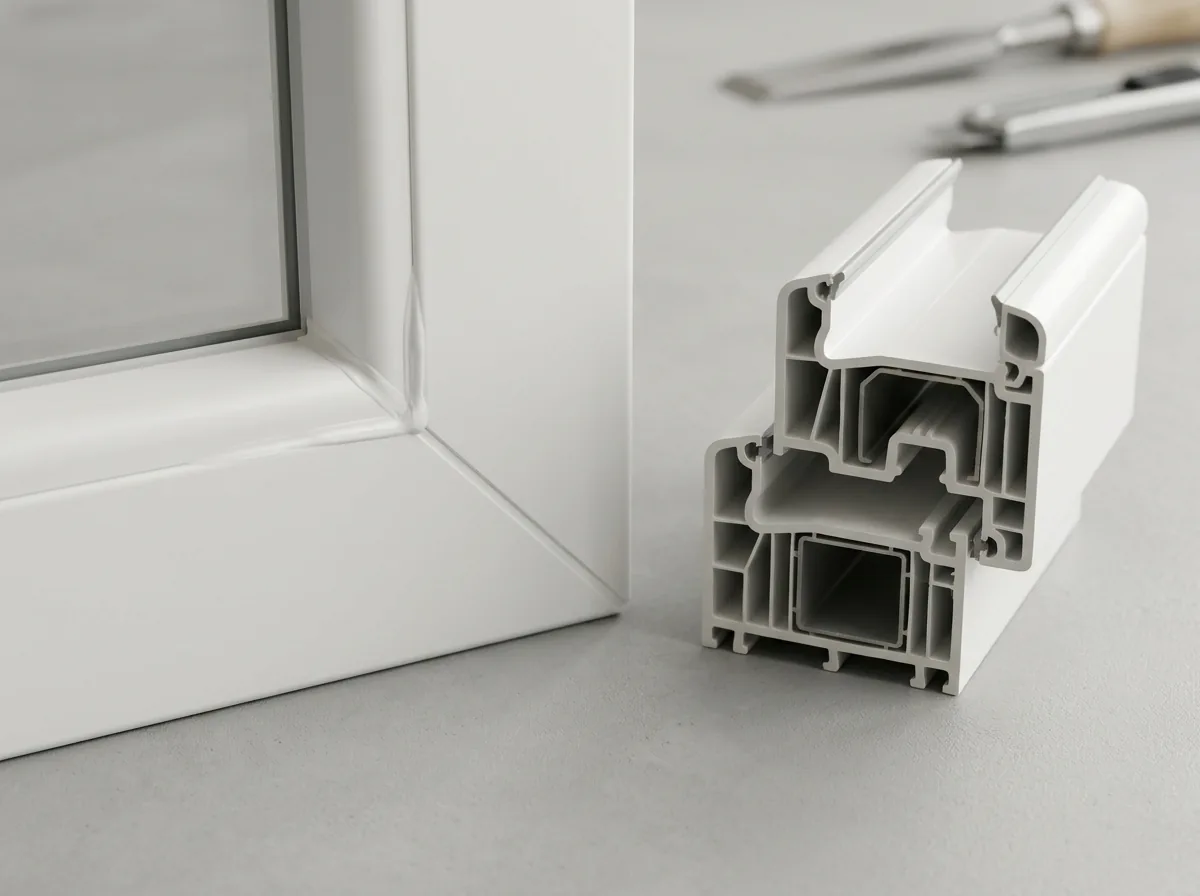
Vinyl Welded Frames and Foam-Filled Chambers
Vinyl frames are hollow extrusions divided into chambers, and their corners are heat-welded. The industry standard for that work, AAMA 320-22, sets guidelines for sound welded corners and for avoiding warping from sun-driven heat. Inside the frame:
- More air chambers generally insulate better, at a higher manufacturing cost
- Foam-filled sections are an option in some ENERGY STAR frames
- Lower-quality vinyl can warp or crack in temperature extremes and is hard to repair
Ask for the NFRC U-factor of the whole unit rather than a chamber count; it is the number the energy code checks.
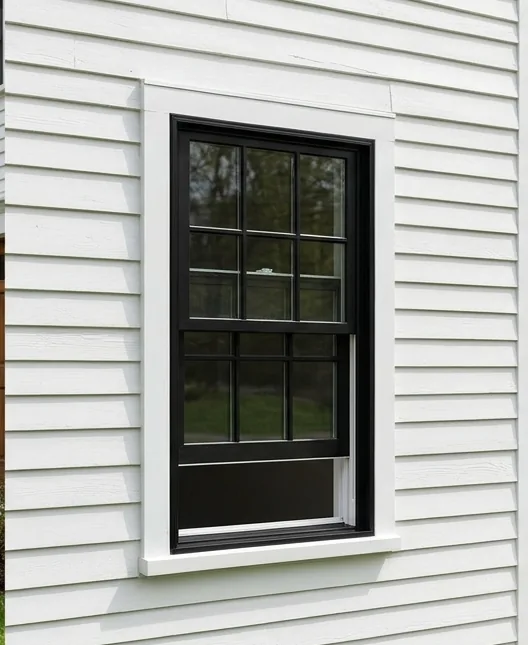
Vinyl Colors and Exterior Laminates
White is standard, and the color range is narrower than wood or fiberglass. Dark colors need more engineering, because a dark vinyl profile can reach 50 to 60 degrees F above the air temperature. Two factory methods handle it:
- Lamination: an acrylic film bonded over a standard vinyl extrusion
- Coextrusion: a colored, heat-reflective vinyl layer fused to a white core during extrusion
- Field paint: scratches back to white and can void the window warranty

Why Lowell homeowners call Lowell Window Replacement
- One independent window contractor gets your request
- Ask for the HIC number: MA contracts must show it
- Written contract on any job over $1,000
- The call and the referral are free
Vinyl Window Cost for a Lowell House
National figures; your written quote is the number that counts.
Survey average per installed window
$472 for vinyl, against $544 for wood and $564 for fiberglassRange per window
$350 to $1,500 with installation20 basic windows
about $6,000 to $20,000Removal and disposal of the old units
$50 to $200 or more per window when billed separatelyExpected life
20 to 40 years or more
For a local check, the City of Lowell's permit report for December 2025 lists 11 residential replacement-window permits with $268,090 in declared value, roughly $24,000 per permit. The report does not split jobs by frame material or window count, so treat it as a sense of scale rather than a vinyl price.
Home Improvement Contractor Rules for Massachusetts Window Jobs
Massachusetts' home improvement contractor law (M.G.L. c.142A) governs most window replacement contracts. Window installation is not one of the trades exempt from it.
Registration
Contractors must be registered with the state to offer or do residential contracting. Jobs under $500 in total are exempt. Ads must show the registration number.Who is protected
The law's "owner" is the homeowner, or a tenant, of a pre-existing owner-occupied building of one to four units.Written contract
Any job over $1,000 needs one, with start and substantial-completion dates and a detailed description of the work and materials. Don't sign with blank spaces; no work may begin before you sign and get a copy.Deposit cap
No more than the greater of one-third of the price or the actual cost of special-order or custom-made materials ordered in advance. Final payment can't be demanded until the job is done to both parties' satisfaction.Three-day cancellation
A contract signed away from the contractor's place of business can be canceled in writing by midnight of the third business day.Permits
The contract must list the permits needed and state that the contractor obtains them. Lowell's permit form warns that a homeowner who pulls the permit, or hires an unregistered contractor, loses access to the state arbitration program and the Guaranty Fund.Guaranty Fund
A fund of last resort that pays owners for poor work by a registered contractor after a court judgment that can't be collected; state guidance puts the limit at $25,000 per claimant.
Lowell's residential permit application asks for the contractor's HIC registration and construction supervisor license, so both numbers should be easy for a contractor to give you. Ask for them before you sign.